AI Model: A Simple Guide to Modern AI Systems
Introduction
An AI model is changing the digital world very fast. Today, many companies use smart systems for better work. In fact, people now depend on automation every day. An AI model can study data, learn patterns, and make decisions quickly. Moreover, these systems improve customer service, marketing, and healthcare.
Technology is growing rapidly. Therefore, businesses want faster and smarter tools. An AI model gives useful answers with less human effort. As a result, many industries now use artificial intelligence tools.
Read more: Future of AI: Most Important AI Trends 2026
“Artificial intelligence is the future of modern technology.”
This guide explains how these systems work. In addition, you will learn benefits, uses, types, and future trends.
What Is an AI Model?
An AI model is a computer system trained with data. It learns patterns from information. Then, it gives answers or predictions.
For example, video apps suggest content based on user interest. Similarly, shopping websites recommend products. These actions happen because machine learning systems study user behavior.
These systems process huge amounts of information quickly. Therefore, businesses save time and improve performance.

Main Features of AI Systems
| Feature | Benefit |
|---|---|
| Data Learning | Understands patterns |
| Automation | Reduces manual work |
| Fast Decisions | Saves time |
| Predictions | Improves planning |
| Accuracy | Reduces mistakes |
Many industries now depend on smart systems. Furthermore, companies use them for daily operations.
How Does an AI Model Work?
Every smart system follows a learning process. First, developers collect information. Then, they train the system using data.
After training, the software tests the results. Finally, the system improves through continuous learning.
Basic Working Process
- Data collection
- Data training
- Pattern recognition
- Decision making
- Result improvement
This process helps systems become smarter over time.
“Data is the fuel behind intelligent systems.”
Moreover, machine learning tools improve accuracy after every update.
Read more: AI Data Ethics and Responsible AI: Everything You Need to Know
Types of AI Systems
Different systems perform different tasks. Therefore, companies choose models based on their goals.
1. Machine Learning Systems
These systems learn from data without direct programming. They improve through experience.
2. Deep Learning Systems
Deep learning uses layers of artificial networks. As a result, it handles complex tasks better.
3. Natural Language Processing Systems
These tools understand human language. Therefore, chatbots and translators use them.
4. Computer Vision Systems
These systems study images and videos. For example, facial recognition uses this technology.
5. Generative Systems
Generative tools create content like text, images, and music.
Businesses now use an AI model for many creative tasks. Consequently, productivity continues improving.
Benefits of Using AI Technology
Modern companies need speed and accuracy. Therefore, intelligent systems offer many benefits.
Faster Work
Automation completes tasks quickly. As a result, employees save valuable time.
Better Customer Support
Chatbots answer customer questions instantly. Moreover, support stays active all day.
Improved Decisions
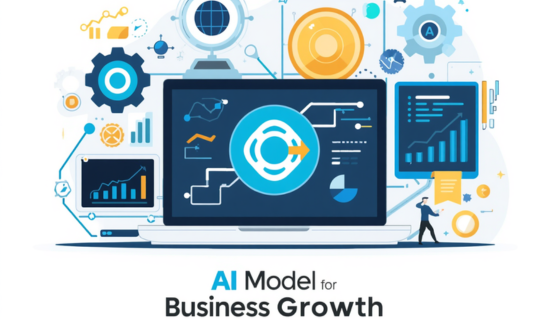
Smart tools analyze information rapidly. Therefore, companies make better decisions.
Cost Reduction
Automation lowers labor costs. In addition, fewer errors reduce extra expenses.
Read more: Predictive Analytics Made Simple for Modern Businesses
Higher Productivity
Workers focus on important tasks while machines handle repetitive work.
| Benefit | Business Impact |
|---|---|
| Speed | Faster operations |
| Automation | Reduced workload |
| Accuracy | Better results |
| Cost Savings | Increased profit |
| Customer Support | Better user experience |
“Automation helps businesses grow faster and smarter.”
Today, many startups invest in intelligent tools for long-term growth.
Industries Using AI Systems
Many industries now use smart technology daily. Furthermore, these tools continue expanding worldwide.
Healthcare
Hospitals use intelligent systems for disease detection. Additionally, doctors analyze reports faster.
Education
Learning platforms personalize lessons for students. Therefore, students learn at their own speed.
Finance
Banks use technology for fraud detection and risk management.
Marketing
Companies analyze customer behavior using smart tools. Consequently, they improve advertising campaigns.
E-commerce
Online stores recommend products based on shopping history.
Transportation
Navigation apps use intelligent systems for traffic predictions.
An AI model helps industries improve efficiency and customer satisfaction.
READ MORE: The AI Environmental Footprint: What You Need to Know
AI Model in Content Creation
Content creation changed significantly after artificial intelligence growth. Today, writers, designers, and marketers use automation tools.
For example, many platforms create blog posts, images, and videos quickly. Moreover, businesses save time through automation.
Content creators also use AI tools for:
- Blog writing
- Social media posts
- Video scripts
- Email marketing
- Graphic design
However, human creativity still matters greatly. Therefore, experts combine automation with personal ideas.
“Technology supports creativity instead of replacing it.”
As digital competition grows, creators need faster production methods.
Challenges of AI Technology
Although intelligent systems offer benefits, some challenges still exist.
Data Privacy
Many systems collect user information. Therefore, privacy protection becomes important.
High Costs
Advanced systems sometimes require expensive development.
Bias Problems
Poor training data may create unfair results.
Job Concerns
Some workers fear automation may replace certain jobs.
Security Risks
Cyber threats can target intelligent systems.
Businesses must balance innovation with safety measures.
Future of AI Systems
The future looks exciting for intelligent technology. Many experts believe automation will grow rapidly.
Healthcare may become more advanced. Similarly, education could become more personalized.
READ MORE: Jupiter Notebook: A proven Tool That Makes Coding Effortless
Businesses also expect smarter customer support tools. Moreover, automation may improve transportation and manufacturing.
An AI model will continue shaping industries worldwide. Consequently, companies should prepare for future changes.
Experts predict stronger cooperation between humans and machines.
Tips for Businesses Using AI
Companies should follow smart strategies before adopting automation.
Set Clear Goals
Businesses must understand their needs first.
Use Quality Data
Good information improves system performance.
Train Employees
Workers should learn how technology works.
Monitor Results
Regular testing improves efficiency.
Focus on Security
Data protection should remain a top priority.
These steps help businesses achieve better results from technology.
Why AI Matters Today
Technology affects almost every industry today. Therefore, businesses need modern solutions.
An AI model supports automation, improves decisions, and increases productivity. In addition, companies gain competitive advantages.
Consumers also enjoy faster services and better experiences. As a result, demand for smart systems continues growing.
Companies ignoring modern technology may struggle later. Therefore, early adoption becomes very important.
Conclusion
Artificial intelligence continues changing the modern world. Today, businesses use automation for speed and better results. Moreover, customers expect smarter services every year.
An AI model helps companies analyze information, improve efficiency, and reduce costs. Consequently, industries now depend on intelligent systems daily.
Although challenges still exist, future opportunities remain huge. Therefore, businesses should learn and adapt quickly.
Technology will continue evolving. As a result, smart systems may become part of every industry
READ MORE: Best Free AI Video Generator for Businesses and Creators
Frequently Asked Questions
1. What is an AI model?
An AI model is a system trained with data to perform tasks and make predictions.
2. How does artificial intelligence learn?
It studies patterns from large amounts of information.
3. Where are AI systems used?
They are used in healthcare, finance, education, marketing, and e-commerce.
4. Can AI replace human workers?
Some tasks may change. However, humans still remain important.
5. Is artificial intelligence expensive?
Some advanced systems cost more, but many tools remain affordable.
READ MORE: Decoding AI Scores: The Ultimate Guide for Publishers
6. Why is data important for AI?
Good data improves accuracy and performance.
7. What is machine learning?
Machine learning allows systems to learn from information automatically.
8. Are AI systems safe?
They can be safe with proper security and privacy protection.
9. Can small businesses use AI?
Yes, many affordable tools help small companies grow.
10. What is the future of AI technology?
Experts expect smarter automation and better digital experiences.
11. How do companies train AI systems?
Companies train systems using large datasets and machine learning methods.
12. Can AI improve customer service?
Yes, AI chatbots answer questions quickly and improve user experience.
13. What industries benefit most from AI?
Healthcare, finance, education, retail, and marketing benefit greatly.
14. Is coding necessary for using AI tools?
No, many modern tools work without coding knowledge.
15. How does AI help online businesses?
It improves marketing, customer support, and product recommendations.
16. What are the risks of AI technology?
Privacy issues, security risks, and biased data are common concerns.

READ MORE: The Ultimate Beginner’s Guide to Blackbox AI: Features, Benefits, and Comparison
17. Can AI create content automatically?
Yes, AI tools can generate articles, images, videos, and social media posts.
18. How accurate are AI systems?
Accuracy depends on the quality of training data and system updates.
19. Can AI work without internet access?
Some AI tools can work offline, but many need internet connectivity.
20. What is deep learning in AI?
Deep learning uses layered networks to solve complex problems.
21. Why do businesses invest in AI?
Businesses use AI to save time, reduce costs, and improve efficiency.
22. Can students learn AI easily?
Yes, beginners can learn AI through simple courses and practice.
23. Does AI help in digital marketing?
Yes, AI improves advertising, customer targeting, and content creation.
24. What skills are useful for AI careers?
Programming, data analysis, and problem-solving skills are very important.
25. Will AI continue growing in the future?
Yes, experts expect AI technology to expand across many industries.
READ MORE: Text-to-Speech: A Complete Guide for Better Digital Content
Call to Action
Are you looking for high-quality digital services for your business or brand? I provide professional solutions that help businesses grow faster online and improve their digital presence.
My services include:
- Content Writing
- SEO Optimization
- Backlink Services
Whether you need engaging blog posts, better Google rankings, or strong backlinks for website growth, I can help you achieve professional results.
Contact now for business inquiries and orders:
Email: digitalminsa@gmail.com










Post Comment
You must be logged in to post a comment.