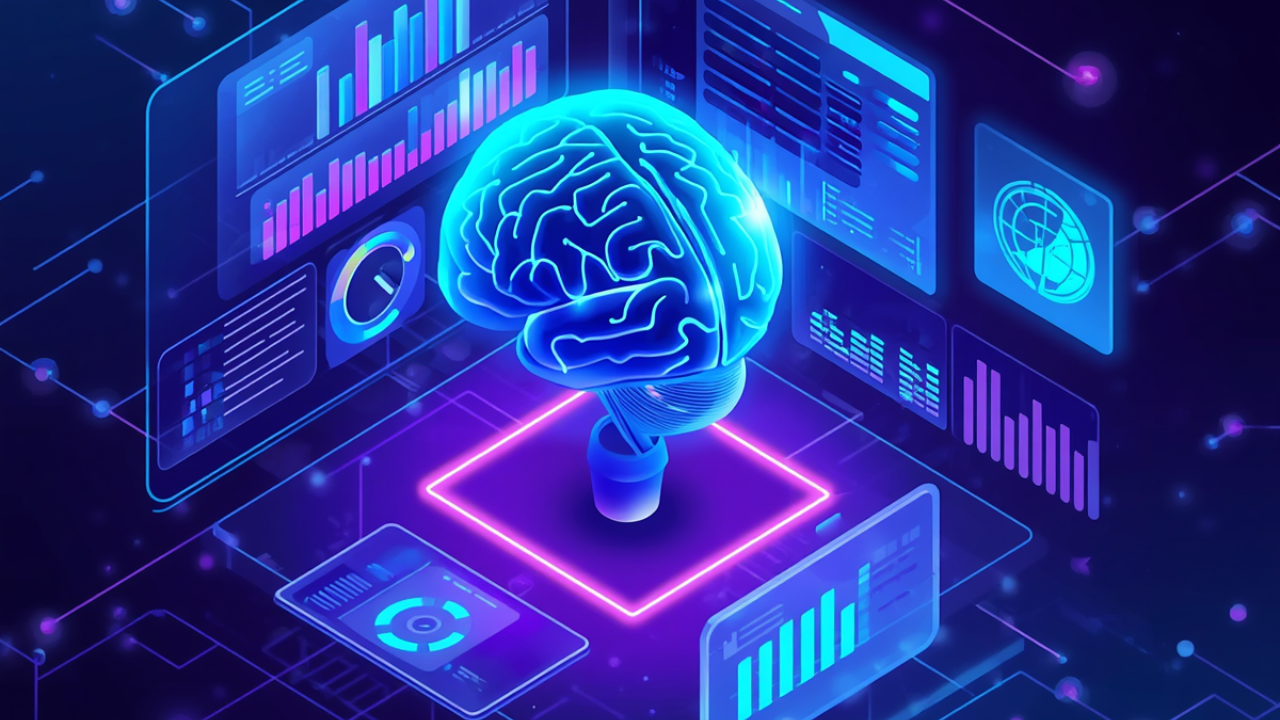
AI Tracking Explained: Everything You Need to Know
Artificial intelligence (AI) is transforming the way we live, work, and interact with technology. One of the most powerful applications of AI is Artificial intelligence tracking, a tool that helps businesses, individuals, and organizations monitor and understand data more efficiently than ever before.
Another valuable use of AI tracking is social media analysis.In addition, AI monitors trending topics, user engagement, and public sentiment across social media platforms. As a result, brands stay relevant and respond quickly to audience interests.
We’ll also answer 15 frequently asked questions to give you a complete understanding. Whether you’re new to AI or just curious, this article is perfect for you.
What Is Artificial Intelligence Tracking?
Artificial intelligence tracking is the process of using AI technologies to monitor, analyze, and predict behaviors, activities, or trends. Unlike traditional tracking methods, which often require manual analysis, AI tracking can process vast amounts of data, identify patterns, and provide real-time insights.
To put it simply, AI tracking works like a super-intelligent assistant. It watches, analyzes, and reports what is happening in a system. As a result, it operates without human fatigue or common errors.
Some common examples of AI tracking include:
- For example, businesses track customer behavior on websites or apps.
- Similarly, companies monitor inventory across supply chains.
- In addition, organizations analyze social media trends and user engagement.
- Furthermore, financial institutions detect fraud by analyzing transaction data.
- Finally, healthcare providers monitor patient health to improve care and outcomes.
In simple words, AI tracking allows us to make sense of data that would be overwhelming for humans to process manually.
read more : Text-to-Speech: A Complete Guide for Better Digital Content
How Does Artificial Intelligence Tracking Work?
Now that you understand the basics, let’s look at how AI tracking works. It combines several technologies that allow machines to observe, learn, and act on data. Here is a step-by-step explanation:
1. Data Collection
To begin with, the first step in AI tracking is gathering data. This data can come from sensors, social media, websites, apps, or even wearable devices. As a result, the more data AI collects, the better its predictions and insights become.
2. Data Processing
Typically, raw data is unstructured and messy. Consequently, AI systems process it by cleaning, organizing, and structuring it for usability.
3. Machine Learning Analysis
Machine learning algorithms analyze the structured data. They look for patterns, trends, and anomalies, which can then be used to make predictions or decisions.
4. Visualization and Reporting
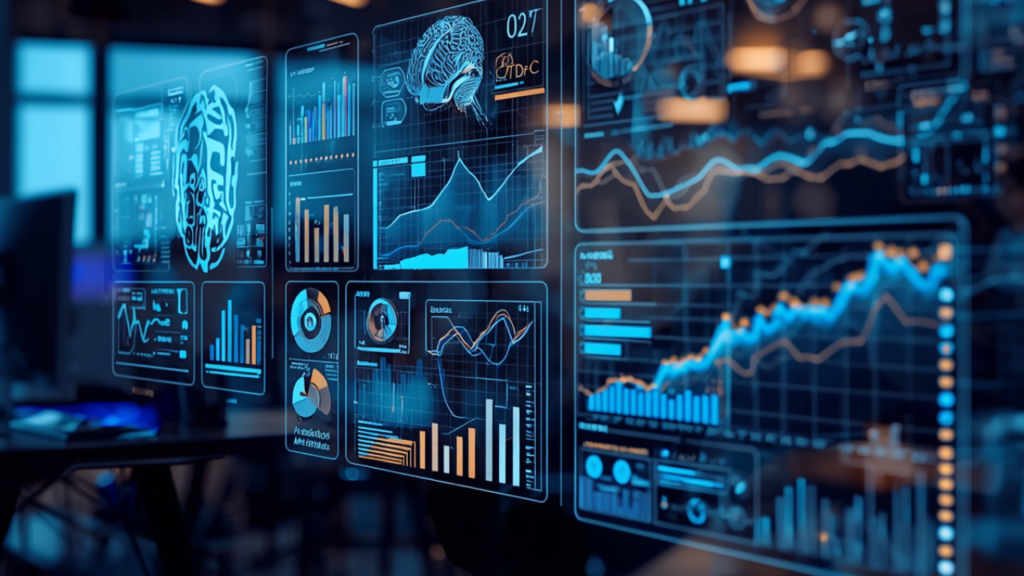
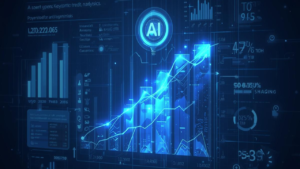
Finally, AI tracking systems present the results in an easy-to-understand format.In practice, this may include dashboards, charts, graphs, or automated reports that support better decision-making. As a result, AI tracking can continuously monitor complex systems.
Consequently, it delivers actionable insights quickly and efficiently.
read more : Decoding AI Scores: The Ultimate Guide for Publishers
Benefits of Artificial Intelligence Tracking
The advantages of AI tracking are wide-ranging and significant:
- AI can process data much faster than humans, saving time and reducing errors.
- Overall, AI tracking offers multiple important benefits.
- In addition, it supports better decision-making through data insights.
- Furthermore, it strengthens security by identifying unusual activity.
- Likewise, it improves customer experience with personalized recommendations.
- In the long run, it also reduces costs and increases efficiency.
Overall, AI tracking is a game-changer in many industries, offering both strategic and operational advantages.
read more : AI Model: A Simple Guide to Modern AI Systems
Real-World Applications of AI Tracking
Artificial intelligence tracking is not just a theory—it’s widely used in practice. Here are some key applications:
1. Healthcare
Furthermore, AI tracking monitors patient health, predicts potential diseases, and helps hospitals manage resources more efficiently.
For instance, wearable devices can track heart rate or sleep patterns and alert medical staff to anomalies.
2. E-commerce and Marketing
For instance, businesses use AI to track customer activity on websites and apps. As a result, they better understand customer preferences. Consequently, they recommend relevant products, improve the shopping experience, and increase sales through targeted campaigns.
3. Transportation and Logistics
In addition, AI tracking helps companies manage supply chains more effectively.In addition, it monitors shipments, predicts delivery times, and optimizes delivery routes.
. As a result, companies like FedEx and UPS improve efficiency while reducing costs.
4. Finance and Fraud Detection
Another important application is fraud detection. Furthermore, banks and financial institutions use AI tracking to monitor transactions in real time.
Consequently, they identify suspicious activity faster and reduce the risk of fraud.
5. Social Media Analytics
Another valuable use of AI tracking is social media analysis. Furthermore, AI tracks trending topics, user engagement, and public sentiment across social media platforms. This helps brands stay relevant and respond quickly to audience interests.
READ MORE : ChatGPT AI: A Simple Guide for Better Work and SEO
Best Practices for Using AI Tracking
To fully leverage artificial intelligence tracking, organizations should follow these best practices:
- Prioritize Data Privacy: Ensure compliance with laws like GDPR and CCPA to protect user information.
- Use High-Quality Data: The accuracy of AI tracking depends on the quality of the data.
- Combine AI with Human Oversight: AI provides insights, but humans are needed to interpret results responsibly.
- Start Small and Scale: Begin with pilot projects before expanding AI tracking to larger operations.
- Update Algorithms Regularly: AI systems must evolve as data and trends change to remain effective.
By following these guidelines, businesses can maximize the benefits of AI tracking while minimizing risks.
Challenges and Limitations
Despite its benefits, AI tracking comes with challenges:
- Privacy Concerns: Tracking personal or sensitive data raises ethical and legal questions.
- High Costs: Developing and maintaining AI tracking systems can be expensive.
- Technical Complexity: Skilled personnel are required to manage AI systems and interpret results.
- Potential Bias: AI algorithms can inherit biases from the data they’re trained on, affecting fairness.
Understanding these challenges is crucial for using AI tracking responsibly.
read more : The Ultimate Beginner’s Guide to Blackbox AI: Features, Benefits, and Comparison

The Future of Artificial Intelligence Tracking
The future of AI tracking is bright, with many innovations on the horizon:
- Advanced Predictive Analytics: AI will become even better at predicting trends and behaviors.
- Real-Time Monitoring Everywhere: More industries will adopt real-time tracking for better decision-making.
- AI-Powered Automation: Tracking will integrate with automated systems, improving efficiency.
- Ethical and Transparent AI: With more focus on responsible AI, tracking will become safer and more trustworthy.
AI tracking is evolving to become more accurate, accessible, and ethical, shaping the future of industries worldwide.
FAQs
1. What is artificial intelligence tracking?
Essentially, it involves using AI technology to monitor, analyze, and predict behaviors or trends.
2. How is AI tracking different from traditional tracking?
AI can process vast data sets, identify patterns, and give real-time insights, unlike manual tracking methods.
3. Where is AI tracking used?
Furthermore, AI tracking is used across many industries, including healthcare, finance
4. Is AI tracking safe?
However, it is safe when ethical practices and privacy laws are properly followed.
5. Can AI tracking predict future events?
Indeed, it can analyze patterns to make accurate predictions.
read more : Artificial Intelligence New Technology: Latest AI News & Trends
6. Do I need technical skills to use AI tracking?
Basic tools can be used without expertise, but advanced systems require trained personnel.
7. Can small businesses use AI tracking?
In fact, affordable tools are available for small-scale tracking and analytics.
8. What kind of data does AI tracking use?
For example, data can come from sensors, apps, websites, social media, and IoT devices.
9. How accurate is AI tracking?
In reality, accuracy depends on data quality, algorithm design, and system maintenance.
10. Does AI tracking replace humans?
No, it enhances decision-making and efficiency but doesn’t replace human judgment.
read more : Future of AI: Most Important AI Trends 2026

11. Can individuals use AI tracking personally?
Specifically, it is applied in health monitoring, productivity tracking, and personal finance analysis.
12. Is AI tracking expensive?
Costs vary; enterprise solutions are expensive, but smaller tools are affordable.
13. How do companies ensure privacy?
By anonymizing data, using secure systems, and following privacy regulations.
14. Will AI tracking become more common?
Indeed, this is increasingly true as data-driven decision-making and AI tools become more widely adopted.
15. Where can I learn more about AI tracking?
To stay updated, follow AI blogs, take online courses, or read tech news on AI developments.
read more : Free AI Logo Generator Tools | Best Logo Makers 2026
16. Can AI tracking be integrated with other technologies?
Indeed, AI tracking is often integrated with IoT devices, cloud computing, and big data platforms to enhance monitoring and data-driven insights
17. How does AI tracking help in customer service?
For example, it can track customer interactions, identify common issues, and help businesses provide faster, personalized support.
18. Does AI tracking work in real time?
Yes. Many AI tracking systems provide real-time monitoring, enabling immediate responses and decisions.
19. Can AI tracking detect unusual patterns?
Absolutely. AI excels at spotting anomalies, such as unusual spending in finance or irregular machine activity in manufacturing.
20. Is AI tracking used in smart homes?
Yes. Smart home devices use AI tracking to monitor energy use, security cameras, and appliances for efficiency and safety.
21. How does AI tracking impact employee productivity?
Furthermore, companies can use AI tracking to detect workflow bottlenecks and improve processes while respecting privacy laws.
22. Can AI tracking be used in education?
Yes. AI tracking can monitor student performance, engagement, and learning patterns to provide personalized learning experiences.
read more : AI automation: Simple Steps for Smarter Business Growth now 2026

23. Does AI tracking require internet connectivity?
Most AI tracking systems need internet access, but some can operate offline and sync data later.
Conclusion
Artificial intelligence tracking is a transformative technology that is changing how we collect, analyze, and act on data. In conclusion, AI tracking is widely used across healthcare, finance, marketing, and logistics. When people understand its benefits, challenges, and best practices, they can use it to improve efficiency, security, and decision-making.
As AI continues to evolve, tracking technologies will become smarter, more accessible, and more ethical. Whether you’re a beginner or a professional, understanding AI tracking today prepares you for the data-driven future of tomorrow,
read more : Newest AI Technology Trends in 2026 You Should Know
Call to Action
If you want to learn more about AI tracking and how it can improve business performance, start exploring reliable AI tools and resources today. Stay updated with the latest trends, and apply what you learn to real-world problems for better efficiency and results. For more guidance or collaboration, contact: http.areesha@gmail.com
Author Bio
Areesha is a tech and AI content writer who focuses on simplifying complex topics into clear and easy-to-understand insights. She writes about artificial intelligence, digital tools, and modern technology to help students and beginners learn in a practical way.





Post Comment
You must be logged in to post a comment.