What Are Transformers? Easy Explanation for Everyone

Transformers play a very important role.
People use them in daily life.
They safely move power.
Most people use them without even noticing.
Electric power cannot travel directly at one level.
It needs control.
Transformers do this job.
They change voltage easily.
This guide explains transformer in simple words.
Anyone can understand it.
You do not need any technical background.
Let’s start from the basics.
What Are Transformers?
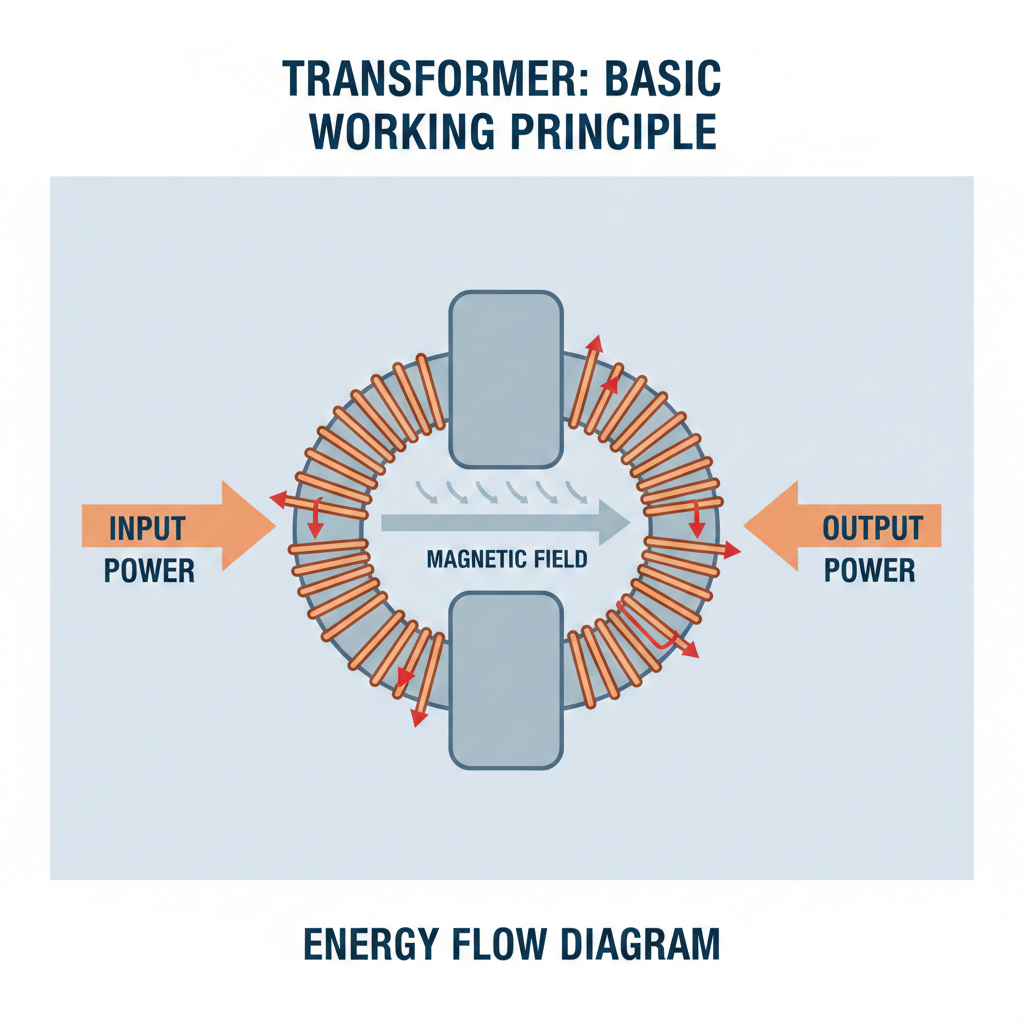
Transformers are electrical devices.
They change voltage levels.
It does not create power.
They only transfer energy.
Electricity flows through coils.
The coils create a magnetic field.
This field helps move power.
No direct contact happens.
It works on simple rules.
They use magnetic force.
Energy moves safely.
Loss is very low.
People use these devices everywhere.
Moreover, homes depend on them.
Similarly, industries also rely on them.
Therefore, power systems need them.
Why Are Transformers Important?
Electricity travels long distances.
People use high voltage for long-distance travel.
Citizens use low voltage at home.
Transformers handle this change.
Without transformers, power loss increases.
Wires would overheat.
Devices would fail.
Safety risks would rise.
They improve efficiency.
Transformers protect equipment.
They make modern life possible.
Cities depend on them.
Villages also need them.
Hospitals require stable power.
Schools use them daily.
How Do Transformers Work?
They have two coils.
One is the input coil.
The other is the output coil.
People wrap them around a core.
Power enters the first coil.
The coils create a magnetic field.
This field reaches the second coil.
The coils produce electricity there.
No direct wire connection exists.
Energy moves through magnetism.
This makes it safe.
It also prevents shock.
The voltage can increase.
It can also decrease.
This depends on coil turns.
More turns mean more voltage.
Types of Transformers
They come in many types.
Each has a special use.
Some are small.
Others are very large.
Step Up Transformer
These increase voltage.
Power stations use them.
Electricity travels far.
Loss becomes less.
High voltage moves faster.
Wires stay cool.
Efficiency improves.
Power reaches cities safely.
Step Down Transformer

These reduce voltage.
Homes need low voltage.
Appliances require safety.
These transformers help.
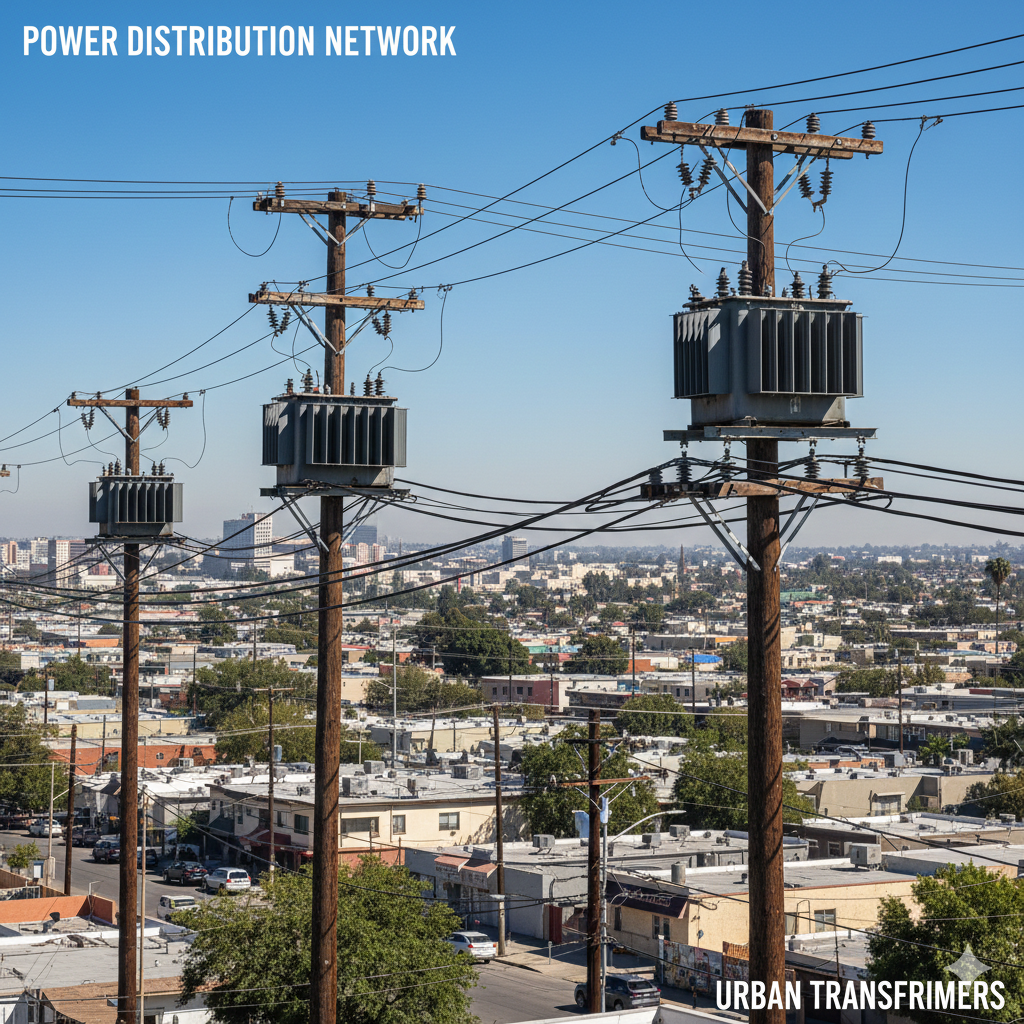
People place them near houses.
Electric poles carry them.
They protect users.
They prevent damage.
Distribution Transformers
These are common transformer.
They serve local areas.
Each unit covers many homes.
They workday and night.
Power Transformers
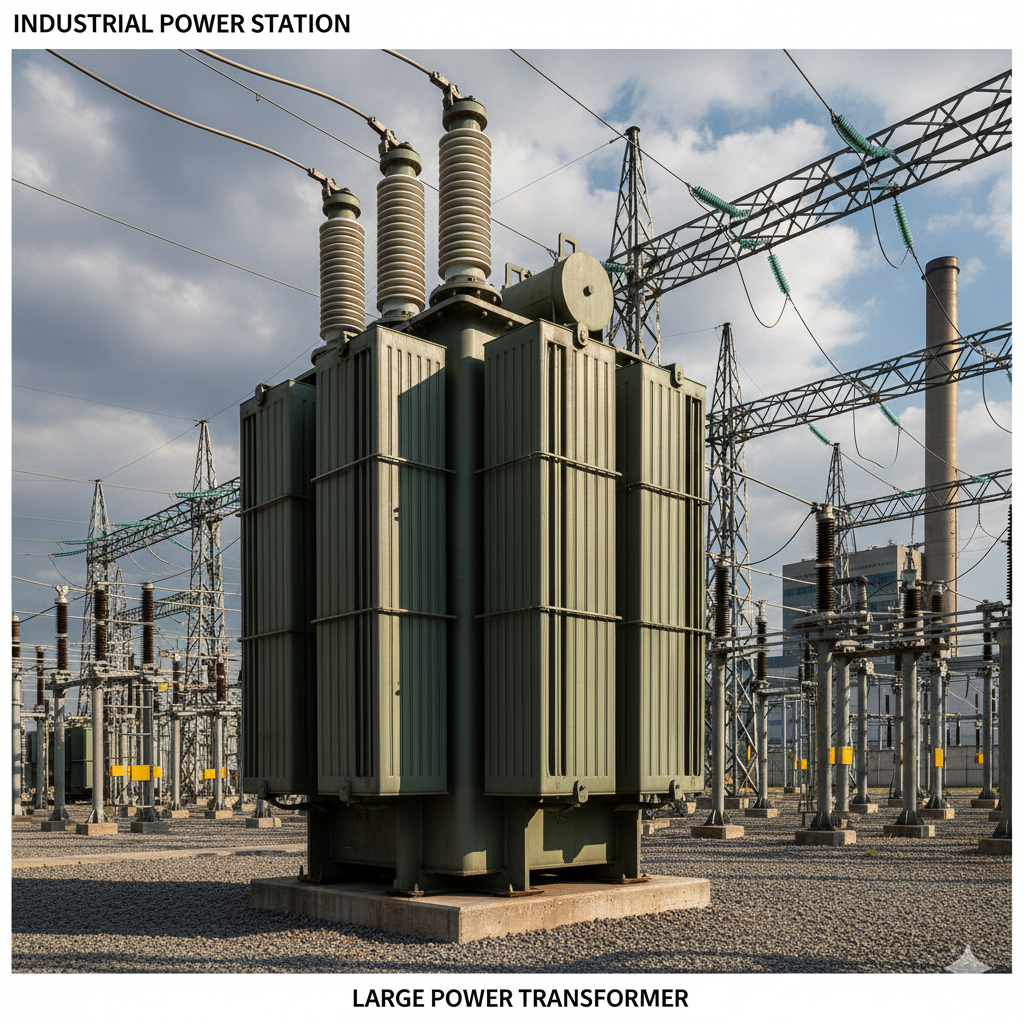
These handle heavy loads.
Stations use them.
Large power flows through them.
They are very strong.
Parts of a Transformer
Every transformer has basic parts.
Each part has a role.
Together they work smoothly.
Let’s understand them.
Core
Manufacturers make the core from metal.
It guides the magnetic field.
Energy moves through it.
Efficiency improves.
Primary Coil
This coil receives power.
Electricity enters here.
The magnetic field starts here.
It is the input side.
Secondary Coil
This coil gives output.
Electricity leaves here.
Voltage changes here.
Devices receive power.
Insulation
Insulation prevents contact.
It avoids short circuits.
Safety increases.
Life span grows.
Uses of Transformers
People use transformer everywhere.
They support modern systems.
Life depends on them.
Here are common uses.
Homes use transformer daily.
Fans depend on them.
Lights also need them.
Chargers work because of them.
Industries need stable power.
Machines require control.
Transformer provide balance.
Work becomes smooth.
Hospitals use transformer.
Life machines depend on power.
Voltage must stay steady.
Transformers ensure safety.
Mobile chargers use mini transformer.
They reduce voltage.
Phones stay safe.
Batteries last longer.
Transformer in Power Systems
Power plants create electricity.
Voltage is very high.
It cannot go directly to homes.
Transformer step it up first.
Electricity travels long lines.
Loss stays low.
Then, engineers reduce the voltage.
Homes receive safe power.
This process repeats many times.
Different transformers work together.
The system stays stable.
This reduces blackouts.
Cities grow because of this.
Industries expand easily.
Technology moves forward.
Transformers support progress.
Advantages of Transformers
Transformer have many benefits.
Transformers save energy.
They improve safety.
They increase efficiency.
This also reduces power loss.
Long-distance travel becomes easy.
Cost stays low.
Maintenance is simple. They work without moving parts.
Noise is very low.
Life span is long.
Reliability is high.
Transformer help protect the environment.
Transformer do not burn fuel.
They do not release gas.
Nature begins safe by them
Disadvantages of Transformers
Every device has limits.
Transformer also have some.
They are heavy.
They need space.
Transformer only transfer power.
People cannot use direct current with them.
They need alternating current.
The transformer can produce heat.
People need to cool it.
Sometimes, people use oil.
Care is important.
Read more: Machine Learning for Beginners: A Practical Guide (2026)
Maintenance of Transformer
Transformer need care.
Regular checks are important.
This avoids failure.
Life increases.
Oil level must be checked.
Temperature should be controlled.
Noise should be monitored.
Leaks must be fixed.
Clean surroundings help.
Dust causes heat.
Cooling improves performance.
Safety increases.
Good maintenance saves money.
Breakdowns reduce.
Power stays stable.
Users stay happy.
Transformer and Safety
Safety is very important.
Transformer handle high voltage.
Proper setup is needed.
Rules must be followed.
Insulation should be strong.
Grounding is required.
Fire systems should exist.
Warning signs must be clear.
Only trained staff should handle them.
Public access must be limited.
Accidents can be avoided.
Lives can be saved.
Future of Transformers
Technology is changing fast.
Transformer are also improving.
Smart systems are coming.
Efficiency is rising.
New materials are used.
Size is becoming smaller.
Loss is getting lower.
Control is becoming better.
Green energy needs transformers.
Solar systems depend on them.
Wind power also uses them.
The future looks strong.
Read more: Computer Vision in AI: A Complete Beginner-Friendly Guide
Conclusion
Transformer are silent heroes.
They power our lives.
They work without rest.
We depend on them daily.
From homes to cities, they serve all.
They make power safe.
Transformer improve efficiency.
They support growth.
Understanding transformers is useful.
It builds awareness.
It shows their value.
Modern life is impossible without them.
Frequently Asked Questions (FAQs)
What are transformers?
Transformer are electrical devices.
First, they change voltage levels.
Also, they help move electricity safely.
However, they do not create power.
Why are transformers important?
First, they reduce power loss.
Also, they protect devices.
Because of this, electricity becomes safe for use.
As a result, modern life depends on them.
How do transformers work?
First, electricity enters one coil.
Then, a magnetic field is created.
After that, power moves to another coil.
Finally, voltage changes without contact.
Where are transformers used?
For example, they are used in homes.
Also, they are found in industries.
In addition, power stations use them.
Even chargers contain them.
What is a step-up transformer?
Basically, it increases voltage.
For this reason, it is used in power stations.
As a result, electricity can travel far.
Therefore, energy loss becomes less.
What is a step-down transformer?
Mainly, it reduces voltage.
Because of this, homes receive low voltage.
As a result, appliances stay safe.
Thus, damage is prevented.
Can transformers store electricity?
No, they cannot store power.
Instead, they only transfer energy.
In fact, they work instantly.
So, storage is not their job.
Do transformers work with direct current?
No, they do not.
This is because they need alternating current.
In fact, magnetic change is required.
Therefore, direct current does not work.
Are transformer safe?
Yes, they are safe.
For safety, proper insulation is used.
Also, safety rules are followed.
As a result, trained staff handle them.
Read more: Python Tutorial: A Simple and Beginner-Friendly Guide 2026
Why do transformers get hot?
During operation, heat is produced.
This happens because some energy is lost.
To fix this, cooling systems help.
For example, oil or air is used.
How long do transformers last?
Generally, they last many years.
With proper care, good maintenance helps.
Also, regular checks are important.
In fact, life span can exceed decades.
Read more: Machine Learning for Beginners: A Practical Guide (2026)
Are transformers eco friendly?
Yes, they are eco friendly.
First, no fuel is burned.
Also, no gas is released.
Therefore, energy is used efficiently.
What happens if a transformer fails?
First, power supply stops.
As a result, devices may shut down.
Then, repairs are needed.
Meanwhile, backup systems help.
Is a transformer used in renewable energy?
Yes, they are widely used.
For example, solar systems need them.
Also, wind energy depends on them.
Because of this, voltage control is required.
Why are transformer placed on poles?
Mainly, they serve nearby homes.
Because of this, voltage is reduced locally.
As a result, power becomes safe.
Therefore, distribution becomes easy.
Read more: Newest AI Technology Trends in 2026 You Should Know
Call To Action
Want your content to rank like transformer power cities?
I help bloggers and creators write SEO content that gets real traffic.
📩 Email me at zarirahc@gmail.com and let’s grow your blog faster +92 03110115488.














Post Comment
You must be logged in to post a comment.