Complete Guide to AI Risk Management Certification and Governance

Artificial intelligence is reshaping industries, accelerating innovation, and transforming decision-making processes across the world. However, while AI offers remarkable benefits, it also introduces significant risks that organizations cannot afford to ignore. Therefore, as AI systems become more complex and influential, the need for structured risk management becomes increasingly critical. This growing demand has led to the rise of AI Risk Management Certification as a vital credential for professionals and businesses alike. What Are Transformers? Easy Explanation for Everyone
AI risk management certification focuses on identifying, assessing, mitigating, and governing risks associated with artificial intelligence systems. Moreover, it ensures that AI technologies are developed and deployed responsibly, ethically, and in compliance with emerging regulations. As a result, certified professionals play a key role in building trust, transparency, and accountability in AI-driven environments.
In today’s digital landscape, organizations face mounting pressure from regulators, customers, and stakeholders to demonstrate responsible AI usage. Consequently, AI risk management certification has moved from being optional to becoming a strategic necessity. This guide explores the meaning, importance, and value of AI risk management certification in detail, helping you understand why it is essential for the future of AI.
Understanding AI Risk Management Certification
AI Risk Management Certification is a professional credential that validates an individual’s expertise in managing risks throughout the AI lifecycle. These risks can emerge during data collection, model development, deployment, monitoring, and decision-making processes. Therefore, certification programs are designed to provide both theoretical knowledge and practical frameworks for managing AI-related challenges.
Unlike general AI certifications that focus on algorithms or programming, AI risk management certification emphasizes governance, ethics, compliance, and accountability. Furthermore, it bridges the gap between technical teams and business leadership by offering a shared understanding of AI risks. As a result, organizations benefit from improved collaboration and stronger oversight.
Additionally, AI risk management certification aligns closely with global standards and best practices. Consequently, certified professionals are better equipped to adapt to evolving regulatory environments and organizational expectations.
Why AI Risk Management Matters More Than Ever
As AI systems influence sensitive areas such as healthcare, finance, hiring, and security, the consequences of failure become more severe. Therefore, unmanaged AI risks can lead to biased decisions, privacy violations, legal penalties, and reputational damage.
One of the biggest reasons AI risk management matters is the rapid pace of AI adoption. While innovation moves quickly, governance often lags behind. As a result, organizations may deploy AI solutions without fully understanding their potential risks. AI risk management certification helps close this gap by providing structured approaches to risk assessment and mitigation.

Moreover, public awareness of AI ethics is increasing. Consumers now expect transparency, fairness, and accountability from AI-driven systems. Consequently, organizations must demonstrate responsible AI practices to maintain trust. Certification offers a credible way to prove commitment to ethical AI.
Core Objectives of AI Risk Management Certification
AI risk management certification programs are designed around several key objectives. First, they aim to help professionals recognize and classify different types of AI risks. Second, they focus on assessing the likelihood and impact of these risks. Third, they emphasize mitigation strategies that reduce harm while maintaining AI performance. Reinforcement Learning in 2026: A Complete Beginner Guide
Another important objective is governance. Certification teaches how to design policies, controls, and oversight mechanisms that guide AI usage. Additionally, it promotes continuous monitoring and improvement, ensuring that AI systems remain safe and compliant over time.
Finally, AI risk management certification aims to foster a culture of responsibility. By educating professionals at all levels, organizations can embed ethical thinking into their AI strategies.
Types of AI Risks Covered in Certification Programs
AI risk management certification covers a wide range of risks that organizations may encounter. Understanding these risks is essential for responsible AI deployment.
Ethical and Bias Risks
AI systems can unintentionally reinforce social biases present in training data. Therefore, certification programs teach methods to detect, evaluate, and mitigate bias. Ethical risk management also emphasizes fairness, explainability, and accountability.
Data Privacy and Protection Risks
AI relies heavily on data, often including sensitive personal information. Consequently, improper data handling can lead to privacy breaches and regulatory violations. Certification covers data governance, consent management, and privacy-preserving techniques.
Security and Adversarial Risks
AI models can be targeted by cyberattacks, manipulation, or misuse. Therefore, certification includes strategies for securing AI systems against threats and vulnerabilities.
Operational and Performance Risks
AI systems may fail, produce inaccurate results, or behave unpredictably. Certification teaches monitoring, validation, and fallback strategies to reduce operational disruptions.
Legal and Compliance Risks
AI regulations are evolving rapidly. Certification prepares professionals to understand legal obligations and ensure compliance with industry standards.

Who Should Pursue AI Risk Management Certification?
AI risk management certification is valuable for a diverse range of professionals. While technical expertise is helpful, certification is not limited to engineers or data scientists.
AI developers and data scientists benefit by learning how to design safer models. Compliance officers and legal professionals gain insights into AI-specific regulations. Risk managers and auditors can extend their expertise into AI governance. Business leaders and executives benefit by understanding strategic AI risks and responsibilities.
Moreover, organizations that rely on AI should encourage cross-functional teams to pursue certification. This shared knowledge improves communication and reduces organizational blind spots.
Skills and Competencies Gained Through Certification
AI risk management certification equips professionals with a broad set of skills. One of the most important skills is risk identification. Certified individuals learn how to recognize potential issues early in the AI lifecycle.
Another key competency is risk assessment. Professionals are trained to evaluate the severity and likelihood of risks using structured frameworks. Furthermore, certification teaches mitigation planning, enabling professionals to design controls and safeguards. AI Platform Training Made Simple: Everything You Need to Know
Governance and policy development are also central skills. Certified professionals can help organizations create AI policies that align with ethical principles and regulatory requirements. Additionally, communication skills are emphasized, allowing professionals to explain AI risks clearly to stakeholders.
Benefits of AI Risk Management Certification for Organizations
Organizations that invest in AI risk management certification gain multiple advantages. First, they reduce the likelihood of costly failures and compliance issues. Second, they build trust with customers, regulators, and partners.
Certification also supports strategic decision-making. Leaders with a clear understanding of AI risks can make informed choices about adoption and investment. Moreover, certified teams are better prepared to respond to incidents and regulatory inquiries.
In competitive markets, responsible AI practices can differentiate a brand. Therefore, AI risk management certification contributes to long-term reputation and sustainability.
AI Risk Management Certification and E-E-A-T Principles
Experience, Expertise, Authoritativeness, and Trust are essential for credibility in both business and digital ecosystems. AI risk management certification directly supports these principles.
Certified professionals demonstrate experience through practical frameworks and real-world applications. Expertise is validated through rigorous training and assessment. Authoritativeness is established when organizations rely on certified professionals for guidance. Trust is built through ethical, transparent, and compliant AI practices.
As a result, certification strengthens organizational credibility and professional reputation.
The Growing Demand for Certified AI Risk Professionals
Demand for AI risk management professionals is increasing across industries. As regulations expand and AI usage grows, organizations need specialists who can navigate complexity. Therefore, certified professionals enjoy strong career prospects and long-term relevance.
Industries such as finance, healthcare, government, and technology are particularly active in seeking AI risk expertise. Additionally, consulting and advisory roles are expanding, offering diverse career paths.
Preparing for AI Risk Management Certification
Preparation for AI risk management certification requires a structured approach. Candidates should first understand AI fundamentals, including data pipelines and model lifecycles. Next, they should study risk management principles and governance frameworks.
Ethical AI concepts, such as fairness and explainability, are also essential. Furthermore, understanding regulatory landscapes helps candidates connect theory with practice. Continuous learning and real-world case studies significantly enhance readiness.
AI risk management certification does not only enhance theoretical understanding; instead, it delivers measurable real-world value for both professionals and organizations. As artificial intelligence becomes deeply embedded in operational workflows, decision-making systems, and customer interactions, managing its risks effectively becomes a competitive advantage. Therefore, certification serves as a practical tool for aligning innovation with responsibility.

Career Opportunities After AI Risk Management Certification
AI risk management certification significantly improves career prospects. As organizations struggle to balance innovation with compliance, certified professionals fill a critical skills gap. Consequently, demand continues to rise across industries.
Certified professionals often move into roles such as AI Risk Analyst, Responsible AI Consultant, AI Governance Specialist, Compliance Officer, or Enterprise Risk Manager. Moreover, leadership positions increasingly require an understanding of AI risk, making certification valuable for executives and managers.
Additionally, professionals with certification often command higher salaries. This is because organizations are willing to pay a premium for expertise that protects them from regulatory fines, reputational damage, and operational failures. Therefore, certification represents both a professional investment and a long-term career asset. Master AI Data Mining to Unlock Hidden Insights
Organizational Implementation of AI Risk Management
For organizations, AI risk management certification supports structured implementation. Rather than reacting to problems after they arise, certified teams help businesses proactively design safer systems. As a result, risk becomes a managed variable rather than an unpredictable threat.
Certified professionals help organizations establish AI governance frameworks. These frameworks define accountability, oversight, and escalation processes. Furthermore, they ensure alignment between technical development and business objectives. Consequently, AI initiatives become more transparent and defensible.
Another important aspect is lifecycle management. Certified professionals understand that AI risk is not static. Therefore, they implement continuous monitoring, auditing, and improvement processes. This approach ensures that AI systems remain compliant as regulations and use cases evolve.
AI Risk Management Certification vs Traditional Risk Management
Traditional risk management focuses on financial, operational, or strategic risks. However, AI introduces unique challenges that require specialized knowledge. Therefore, AI risk management certification extends traditional frameworks to address algorithmic decision-making, data dependencies, and automated outcomes. Python Tutorial: A Simple and Beginner-Friendly Guide 2026
Unlike conventional systems, AI can learn, adapt, and change behavior over time. Consequently, risks may emerge after deployment. Certification programs emphasize dynamic risk assessment rather than one-time evaluations. This distinction is critical for managing AI responsibly.
Moreover, AI risk management integrates ethics and human impact into risk analysis. Traditional approaches often overlook these dimensions. Certification ensures that social, ethical, and legal considerations receive equal importance.
Regulatory Landscape and Compliance Readiness
AI regulations are expanding rapidly across regions. Governments and regulatory bodies are introducing frameworks that require transparency, accountability, and risk mitigation. Therefore, organizations must stay ahead of compliance requirements.
AI risk management certification prepares professionals to interpret and apply regulatory guidelines. Certified individuals understand how to map legal requirements to technical controls. As a result, organizations reduce the risk of non-compliance.
Furthermore, certification supports audit readiness. Certified teams document processes, decisions, and controls clearly. Consequently, regulatory audits become less disruptive and more manageable.
Ethical AI and Trust Building
Trust is essential for AI adoption. Without trust, customers, employees, and partners hesitate to rely on automated systems. Therefore, ethical AI practices are central to AI risk management certification.
Certification emphasizes fairness, explainability, and accountability. Professionals learn how to design systems that can be understood and challenged. Moreover, ethical frameworks ensure that AI decisions align with organizational values and societal expectations.
By prioritizing ethical AI, organizations build long-term trust. This trust strengthens brand reputation and supports sustainable growth. Consequently, certification becomes a strategic asset rather than a compliance burden.
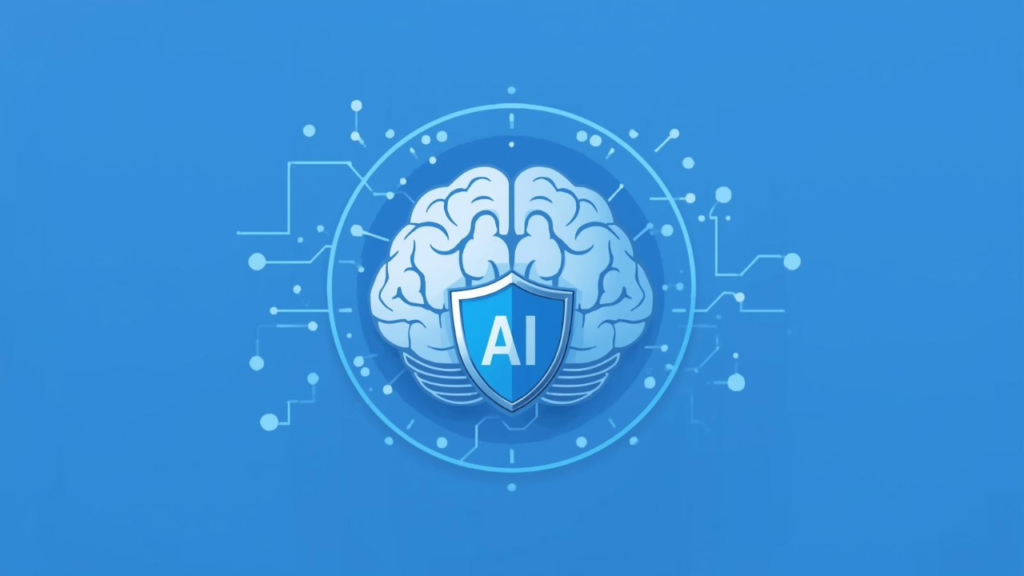
Industry Applications of AI Risk Management Certification
AI risk management certification is valuable across multiple industries. In finance, it helps manage credit scoring, fraud detection, and algorithmic trading risks. In healthcare, it ensures patient safety, data privacy, and ethical decision-making.
human resources, certification helps mitigate bias in recruitment and performance evaluation systems. In government, it supports transparency and accountability in public-sector AI applications. Therefore, certification adapts to diverse contexts while maintaining consistent principles.
As AI adoption expands, industry-specific applications continue to grow. Certified professionals can tailor risk management strategies to sector-specific requirements. Principal Component Analysis: Learn It the Easy Way
Measuring the ROI of AI Risk Management Certification
Organizations often ask how to measure the return on investment for certification. While benefits may seem intangible, they translate into real outcomes. Reduced incidents, fewer compliance issues, and improved decision quality all contribute to financial savings.
Moreover, certification reduces uncertainty. Leaders gain confidence in AI initiatives, enabling faster and more informed decisions. This agility provides competitive advantage in fast-moving markets.
Employee retention and engagement also improve. Professionals value organizations that invest in responsible practices and skill development. Therefore, certification supports talent strategy as well as risk management.
Challenges in AI Risk Management and How Certification Helps
Managing AI risks is complex. Challenges include rapidly changing technology, evolving regulations, and limited internal expertise. AI risk management certification addresses these challenges systematically.
Certification provides structured frameworks that simplify complexity. Instead of ad hoc decisions, professionals rely on established methodologies. Furthermore, certification fosters a shared language across technical and non-technical teams.
Another challenge is organizational resistance. Certification helps overcome this by demonstrating the business value of risk management. As a result, stakeholders are more likely to support governance initiatives.
The Future of AI Risk Management Certification
The future of AI risk management certification is closely tied to the future of AI itself. As AI systems become more autonomous, risk management will become increasingly important. Therefore, certification will evolve to address new challenges. AI Job Impact Explained: Risks, Skills, and New Opportunities
Emerging areas such as generative AI, autonomous systems, and AI-driven decision automation introduce novel risks. Certification programs will expand to cover these developments. Consequently, certified professionals will remain relevant and in demand.
Additionally, global alignment of standards may increase. Certification could become a baseline requirement for AI professionals, similar to cybersecurity certifications today.
How Backlane Services Supports AI Risk Management Content and SEO
At Backlane Services, we help AI-focused businesses and professionals establish authority through high-quality, search-optimized content. Our approach combines strategic SEO with deep industry understanding.
Backlane Services Expertise:
- In-depth keyword research for AI, compliance, and certification topics
- On-page SEO optimization aligned with search intent
- E-E-A-T driven content writing for trust and authority
- SEO and AEO optimized blogs designed for human readers and AI search engines
If you want your AI risk management certification content to rank higher, attract qualified traffic, and convert readers into leads, Backlane Services delivers proven results.
📧 Contact: digitalminsa@gmail.com
Frequently Asked Questions About AI Risk Management Certification
What is the main purpose of AI risk management certification?
The primary purpose is to equip professionals with skills to identify, assess, and mitigate AI-related risks responsibly.
Is AI risk management certification technical?
It combines technical understanding with governance, ethics, and compliance, making it suitable for both technical and non-technical roles.
Does certification help with regulatory compliance?
Yes, it prepares professionals to align AI systems with current and emerging regulations.
Who should invest in AI risk management certification?
AI professionals, risk managers, compliance officers, and organizations using AI should consider certification.
How does certification support ethical AI?
It emphasizes fairness, transparency, accountability, and human oversight in AI systems.
Is AI risk management certification future-proof?
Yes, demand will grow as AI adoption and regulation increase globally. AI Policy Laws and Ethics: Everything You Need to Know in 2026
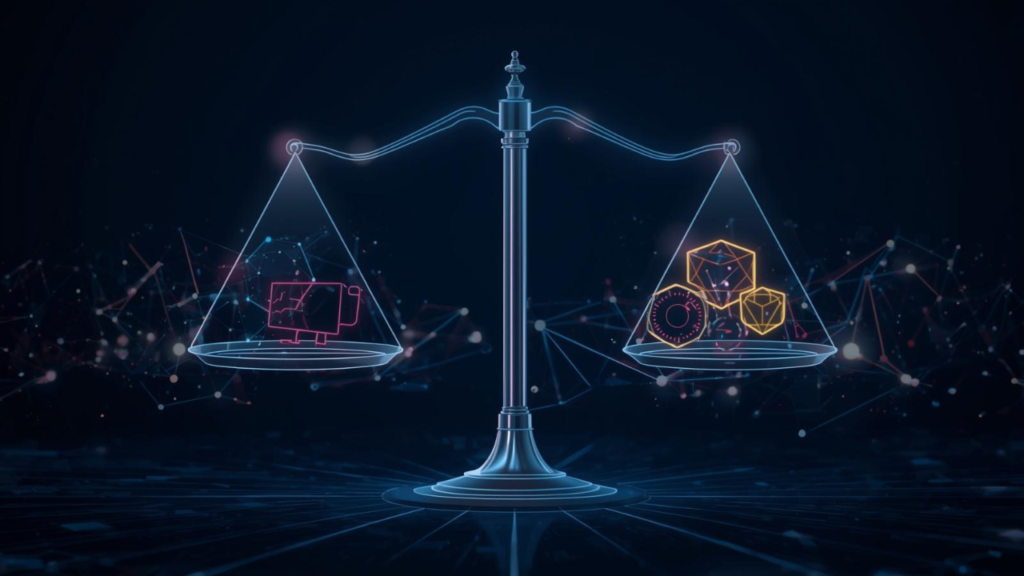
Can certification improve organizational trust?
Absolutely. Responsible AI practices build trust with customers, regulators, and stakeholders.
Does certification apply across industries?
Yes, it is relevant in finance, healthcare, government, technology, and many other sectors.
Final Conclusion
AI delivers immense value, but unmanaged AI creates significant risk. Therefore, AI Risk Management Certification is essential for professionals and organizations committed to responsible innovation. Certification strengthens governance, supports compliance, and builds trust in AI systems.
For professionals, it enhances credibility, career growth, and long-term relevance. For organizations, it reduces risk, improves decision-making, and protects reputation. Combined with expert SEO and content strategy from Backlane Services, AI risk management certification content can achieve visibility, authority, and sustainable impact.









Post Comment
You must be logged in to post a comment.