
The Most Important AI Ethics Case Studies You Should Know
Introduction
AI Ethics Case Studies help organizations understand the risks and benefits of artificial intelligence.
AI now influences hiring, healthcare, education, banking, and content creation. As a result, ethical concerns continue to grow. Companies want innovation. However, they also need fairness, transparency, and accountability.
Recent developments show that AI systems can create unexpected problems. Some tools produce biased results. Others raise privacy concerns. Several cases also reveal issues with accountability and copyright. Therefore, studying AI Ethics Case Studies is important. These examples provide practical lessons. They help organizations build safer and more responsible AI systems.
Read More: Computer Vision in AI: A Complete Beginner-Friendly Guide
As AI adoption grows, ethical governance becomes a business necessity rather than an optional practice.
“Technology is powerful, but responsibility must guide innovation.”
This article explores major AI Ethics Case Studies, key lessons, and best practices for responsible AI deployment.
Why AI Ethics Matters
AI systems make decisions using data.
When data contains errors or bias, AI can repeat those problems. In some situations, AI can even amplify them.
Ethics provides a framework for responsible development. It helps organizations reduce harm while improving trust.
The most common ethical concerns include:
- Algorithmic bias
- Lack of transparency
- Data privacy risks
- Accountability challenges
- Copyright concerns
- Misinformation risks
Read More: Why Data Science Is the Most In-Demand Skill in the AI Era?
Organizations that ignore ethics often face legal, financial, and reputational consequences.
Key Principles Behind AI Ethics
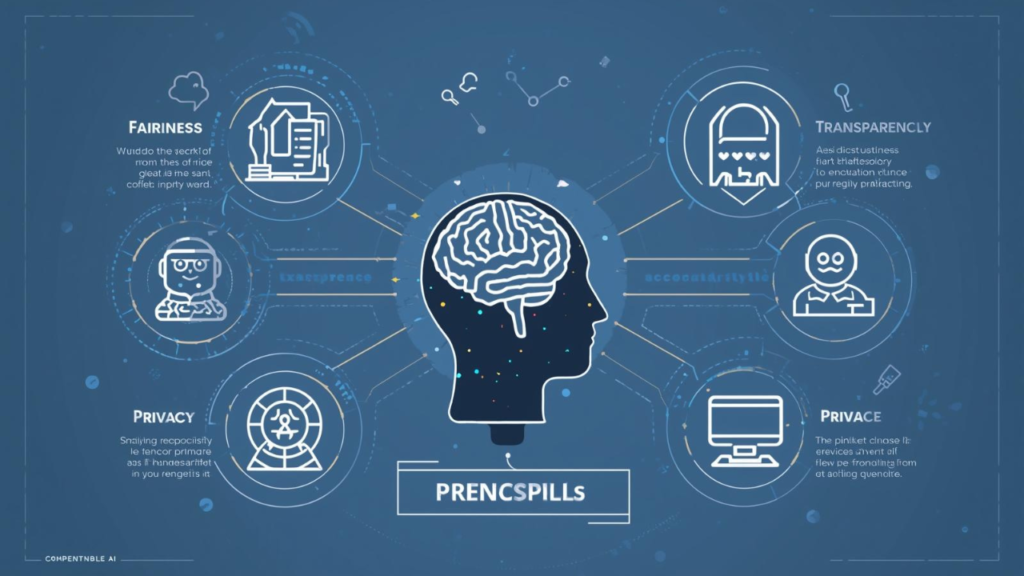
Before reviewing AI Ethics Case Studies, it is important to understand core principles.
| Ethical Principle | Purpose |
|---|---|
| Fairness | Prevent discrimination |
| Transparency | Explain AI decisions |
| Accountability | Assign responsibility |
| Privacy | Protect user data |
| Safety | Reduce harmful outcomes |
| Human Oversight | Maintain human control |
These principles guide responsible AI development.
“Ethical AI is not about slowing innovation. It is about improving it.”
AI Ethics Case Study 1: Hiring Algorithm Bias
One of the most discussed AI Ethics Case Studies involves automated hiring systems.
Many companies use AI to screen resumes. The goal is faster recruitment.
However, problems arise when historical hiring data contains bias.
An AI system may learn patterns from past decisions. If previous hiring favored certain groups, the system may repeat those preferences.
Read More: Everything You Need to Know About Google AI Studio Free AI Tools (2026 Edition)
Ethical Issues
- Gender discrimination
- Demographic bias
- Lack of explainability
- Reduced equal opportunity
Lessons Learned
Organizations should:
- Audit hiring models regularly
- Use diverse training data
- Include human review processes
- Test outcomes across demographics
This case demonstrates how fairness must remain a priority.
Read More: Computer Vision in AI: A Complete Beginner-Friendly Guide
AI Ethics Case Study 2: Healthcare Decision Systems
Healthcare represents another important area for AI Ethics Case Studies.
Hospitals increasingly use AI for diagnosis, treatment recommendations, and patient prioritization.
These tools offer major benefits. However, ethical concerns remain.
Some healthcare professionals worry about accountability. Others question transparency in AI-assisted decisions.
Read More: Knowledge Distillation: A Simple Guide for Better AI

Major Challenges
| Challenge | Impact |
|---|---|
| Limited transparency | Difficult to explain decisions |
| Data bias | Unequal treatment |
| Privacy concerns | Sensitive information exposure |
| Accountability gaps | Unclear responsibility |
Healthcare AI can improve outcomes. Yet ethical governance remains essential.
“Patients deserve explanations, not just predictions.”
Organizations must ensure that human experts remain involved in critical decisions.
Read More: OpenCV: The Complete Guide to Computer Vision
AI Ethics Case Study 3: AI Image Generation and Representation Bias
Generative AI has transformed content creation.
However, recent AI Ethics Case Studies reveal concerns about representation.
Researchers found that image generation systems sometimes produce inaccurate demographic portrayals.
Certain groups may be overrepresented. Others may be underrepresented.
These patterns can reinforce stereotypes.
Read More: Understanding Ai Monitization: Make Money Artificial Intelligence
Ethical Concerns
- Social bias
- Cultural misrepresentation
- Unequal visibility
- Reinforcement of stereotypes
Developers now focus on improving dataset diversity and evaluation methods.
This case highlights the importance of fairness throughout the AI lifecycle.
AI Ethics Case Study 4: Privacy and Medical Data
Medical AI systems require large amounts of data.
While data improves performance, it also creates privacy challenges.
Several ethical discussions focus on patient consent and data governance.
Read More: Best AI Video Generator Tools | Free AI Video Creator Guide
Organizations must answer important questions:
- Who owns the data?
- How is data used?
- Can users opt out?
- Who benefits from the information?
Strong governance policies help protect individual rights.
Privacy remains one of the most important topics in AI Ethics Case Studies.
AI Ethics Case Study 5: Copyright and Generative AI

Generative AI systems learn from large datasets.
This process has raised copyright concerns.
Creators want transparency regarding training materials.
Technology companies seek innovation while respecting intellectual property.
Key questions include:
- Should creators receive compensation?
- What qualifies as fair use?
- How much transparency is required?
- Who owns AI-generated content?
These debates continue shaping AI regulation worldwide.
Read More: Newest AI Technology 2026 | Latest Updates About Technology
This makes copyright one of the fastest-growing areas in AI Ethics Case Studies.
AI Ethics Case Study 6: Misinformation and Content Generation
AI can generate text, images, audio, and video quickly.
Unfortunately, the same technology can spread misinformation.
False information may appear realistic.
As a result, users may struggle to identify reliable content.
Organizations now invest heavily in:
- Content verification
- Safety testing
- Watermarking systems
- Human modera
These efforts help reduce harmful outcomes.
Read More: Free AI Logo Generator Tools | Best Free Logo Makers 2026
Common Patterns Across AI Ethics Case Studies
Many ethical failures share similar causes.
Organizations often focus on technical performance while overlooking social impact.
Several recurring issues appear repeatedly.
Frequent Ethical Risks
- Poor quality data
- Limited oversight
- Weak governance
- Insufficient testing
- Lack of transparency
- Missing accountability structures
Recognizing these patterns helps organizations avoid future mistakes.
Read More: AI Trends 2026: Future of Artificial Intelligence Explained
Building Ethical AI Systems
Modern organizations need practical solutions.
Ethics should become part of every development stage.
The following practices support responsible AI deployment:
Recommended Best Practices
- Conduct regular bias audits
- Establish governance committees
- Document model decisions
- Improve data quality
- Monitor systems continuously
- Maintain human oversight
- Protect user privacy
- Create accountability frameworks
These steps reduce risk and improve trust.
Read More: Text-to-Speech:A simple and Complete AI Voice Guide for 2026News Artificial Intelligence | Latest AI Updates & Trends
“Trust is earned when AI systems remain transparent and accountable.”
The Future of AI Ethics

The future of AI ethics will focus on governance, transparency, and accountability.
Governments continue introducing regulations.
Businesses are also strengthening internal policies.
Future priorities may include:
- Explainable AI
- Responsible data use
- Stronger auditing standards
- Global ethical frameworks
- Better risk assessments
- Improved human oversight
As AI becomes more powerful, ethical decision-making will become even more important.
Organizations that invest in responsible practices today will gain greater trust tomorrow.
Read More: News Artificial Intelligence | Latest AI Updates & Trends
Conclusion
AI Ethics Case Studies provide valuable lessons for organizations using artificial intelligence.
These examples show that ethical challenges are not theoretical. They affect hiring, healthcare, content creation, privacy, and governance.
The strongest lesson is simple.
AI should support people, not harm them.
Companies must balance innovation with responsibility. Fairness, transparency, privacy, and accountability should guide every AI initiative.
By learning from AI Ethics Case Studies, organizations can build systems that are both effective and trustworthy.
Read More: Living Your Best Life: Tips for a Healthy Lifestyle – Minsa AI
Frequently Asked Questions
1. What are AI Ethics Case Studies?
AI Ethics Case Studies examine real situations where AI created ethical challenges or lessons.
2. Why are AI Ethics Case Studies important?
They help organizations identify risks and improve responsible AI practices.
3. What is algorithmic bias?
Algorithmic bias occurs when AI produces unfair outcomes for certain groups.
4. How does AI affect hiring?
AI can improve efficiency but may also introduce discrimination if not monitored.
5. Why is transparency important in AI?
Transparency helps users understand how decisions are made.
6. What role does privacy play in AI ethics?
Privacy protects personal information from misuse or unauthorized access.
7. Can AI create misinformation?
Yes. Generative AI can produce misleading content if safeguards are weak.
8. What is AI governance?
AI governance includes policies and processes that guide responsible AI use.
9. How can companies reduce AI bias?
They can audit systems, improve data quality, and monitor outcomes regularly.
10. What is the future of AI ethics?
The future focuses on transparency, accountability, fairness, and stronger governance.
Call to Action
Need professional digital content and SEO services?
Let’s grow your digital presence with data-driven SEO strategies and authoritative content.
Read More: Best AI Tools for Passive Income | Make Money Online Easily
Services Offered
- Tech Article Writing
- On-Page SEO
- Keyword Research & Optimization
- Site Audit
Contact
📧 zarirahc@gmail.com
Looking to share your own expertise? We are accepting guest pitches! Check out our Write for Us page for guidelines.
Author Bio
Zarirah Asif is a creative content writer who loves turning ideas into engaging words. She writes SEO-friendly articles that are easy to read and useful for readers. Her goal is to help brands stand out with quality content. She is always learning and improving her writing skills.











Post Comment
You must be logged in to post a comment.