Data Sovereignty Guide: How to Stay Compliant and Secure
Introduction
Data sovereignty is an important topic in today’s digital world. Every day, businesses collect and store large amounts of information. However, data often moves across different countries.
Because of this, companies must know where their information is stored. They must also understand which laws apply to it. This is where data sovereignty becomes important.
In simple terms, data sovereignty means that data is governed by the laws of the country where it is stored. As a result, organizations must follow local rules when handling information.
In this guide, you will learn what data sovereignty means, why it matters, its benefits, its challenges, and how businesses can stay compliant.
“Data is not just information. It is a responsibility.”
What Is Data Sovereignty?
Data sovereignty refers to the idea that digital information falls under the legal authority of the country where it resides.
For example, if customer data is stored in a data center located in Germany, German laws may apply to that data.
Today, many companies use cloud services. Therefore, information can be stored in several countries at once. Because of this, organizations need clear visibility into data locations.
READ MORE : AI Business Ideas to Start Online and Scale Quickly
Table 1: Basic Terms
| Term | Meaning |
|---|---|
| Data | Digital information |
| Sovereignty | Legal control |
| Data Center | Facility that stores data |
| Compliance | Following regulations |
| Privacy | Protection of personal information |

Why Data Sovereignty Matters
Businesses rely on data to serve customers and make decisions. However, legal requirements differ from one country to another.
As a result, companies must ensure that information is stored and processed according to local laws.
Data sovereignty helps organizations:
- Firstly, meet legal requirements.
- Additionally, protect customer information.
- As a result, improve trust.
- Furthermore, reduce compliance risks.
- Finally, support better governance.
Moreover, governments are paying closer attention to how information moves across borders. Therefore, businesses cannot ignore these rules.
“Knowing where data lives helps protect both businesses and customers.”
Key Benefits
Organizations gain several advantages when they follow data sovereignty requirements.
READ MORE : Small Language Models for Edge AI and Smart Devices
Better Compliance
Companies can meet local legal obligations more easily. Consequently, they reduce the risk of penalties.
Stronger Trust
Customers want their information protected. Therefore, proper data management builds confidence.
Improved Control
Additionally, organizations gain a better understanding of where information is stored and used.
Enhanced Security
While security and sovereignty are different, they often work together. As a result, businesses can create stronger protection strategies.
Greater Transparency
Clear data practices help stakeholders understand how information is handled.
“Trust grows when organizations manage data responsibly.”
Common Challenges
Although data sovereignty offers many benefits, it also creates challenges.
First, laws vary across regions. Therefore, multinational companies may face complex requirements.
Second, cloud platforms often distribute data across several locations. Consequently, tracking data can become difficult.
Other challenges include:
- However, higher operating costs can be expensive.
- In addition, different legal frameworks may create complexity.
- Furthermore, data transfer restrictions can limit flexibility.
- Moreover, vendor management concerns require careful attention.
- Finally, ongoing compliance monitoring remains essential.
Because regulations continue to evolve, organizations must stay informed.
READ MORE : AI for Risk Management: Future of Business Security
Data Sovereignty and Cloud Computing
Cloud computing has transformed the way businesses store information.
Companies can access resources quickly and scale operations when needed. However, cloud environments can create compliance concerns.
For example, data may be stored in one country but processed in another. Therefore, businesses must understand how cloud providers manage information.
Before selecting a provider, organizations should ask:
- Where is the data stored?
- Where are backups located?
- Which laws apply?
- Finally, how is access controlled?
- Finally, what security measures are used?
These questions help reduce uncertainty and improve compliance efforts.
“Good data management starts with knowing where information goes.”
Global Data Rules
Countries around the world have introduced regulations to protect data.
Some rules focus on privacy. Others focus on security or local storage requirements.
READ MORE : Decoding AI Scores: The Ultimate Guide for Publishers
Table 2: Examples of Regional Approaches
| Region | Main Focus |
|---|---|
| European Union | Privacy and user rights |
| United States | Industry-specific regulations |
| Canada | Personal data protection |
| Australia | Data handling standards |
| Singapore | Responsible data use |
Because regulations differ, companies must understand the requirements in every market where they operate.
Furthermore, governments continue to update their policies. Therefore, regular reviews are necessary.
READ MORE : AI Scoring Tools for Faster Sales and Better Business Results
Data Sovereignty vs Data Residency
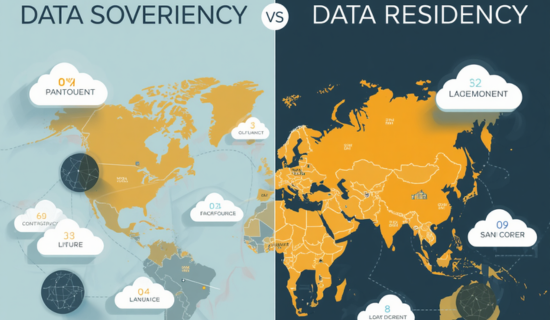
Many people confuse these two terms. However, they are not the same.
Data residency refers to the physical location where information is stored.
Data sovereignty refers to the laws that govern that information.
For example, data may reside in one country. As a result, that country’s legal system may apply to it.
Understanding this difference helps organizations make better decisions.
Best Practices for Compliance
Organizations can take several steps to support data sovereignty goals.
Know Your Data
First, identify what information you collect. Then classify it according to sensitivity.
Track Storage Locations
Maintain accurate records of where data resides.
READ MORE : The Ultimate Beginner’s Guide to Blackbox AI: Features, Benefits, and Comparison
Review Legal Requirements
Regulations can change. Therefore, regular reviews are important.
Work With Trusted Providers
Choose providers that offer transparency and compliance support.
Train Employees
Additionally, staff should understand company policies and data responsibilities
Conduct Regular Audits
Audits help identify issues before they become major problems.
By following these practices, businesses can improve compliance and reduce risk.
READ MORE : AI augmented tools for smarter work and daily growth
The Role of Security
Security plays a major role in protecting information.
Strong security measures include encryption, monitoring, and access controls.
However, security alone is not enough. Organizations must also consider legal requirements.
A company may have excellent security systems. Yet it could still violate regulations if data is stored incorrectly.
Therefore, businesses should combine security strategies with data sovereignty planning.
Future Trends
The digital world continues to change.
Artificial intelligence, cloud growth, and new technologies are increasing data volumes. Consequently, governments are creating new regulations.
Several trends are shaping the future:
- Also, more local data centers.
- Plus, stronger privacy laws.
- Moreover, better compliance tools.
- Meanwhile, increased transparency requirements.
- Finally, greater customer awareness.
As these trends continue, data sovereignty will remain a major priority.
Therefore, organizations that prepare today will be better positioned for tomorrow.
“The future belongs to organizations that respect data and privacy.”
Final Thoughts
Data sovereignty is no longer a niche topic. It is now a key part of digital operations.
Organizations must understand where their information is stored and which laws apply. Furthermore, they must develop policies that support compliance and trust.
While challenges exist, the benefits are significant. Businesses can improve transparency, strengthen governance, and reduce legal risks.
As technology evolves, data sovereignty will continue to influence how organizations manage information worldwide.
READ MORE : AI Tracking Explained: Everything You Need to Know
Frequently Asked Questions
1. What is data sovereignty?
Data sovereignty means data is governed by the laws of the country where it is stored.
2. Why is data sovereignty important?
It helps organizations follow regulations and protect sensitive information.
3. Is data sovereignty the same as data residency?
No. Data residency refers to location, while data sovereignty refers to legal authority.
4. How does cloud computing affect data sovereignty?
Cloud platforms may store data in different regions, creating compliance concerns.
5. Which industries care most about data sovereignty?
Healthcare, finance, government, and technology sectors often prioritize it.
6. Can data be subject to multiple laws?
Yes. Cross-border operations may create overlapping legal requirements.
7. Does data sovereignty improve security?
It supports compliance, but security measures are still necessary.
8. What are common challenges?
Complex regulations, higher costs, and data tracking issues are common challenges.
9. How can businesses stay compliant?
They should monitor regulations, track data locations, and conduct regular audits.
10. Will data sovereignty become more important?
Yes. Growing privacy concerns and new regulations continue to increase its importance.
Call to Action
Need SEO articles that are easy to read and optimized for search engines?
I can help with:
- SEO blog posts
- Keyword-focused content
- Website articles
- Human-friendly writing
- High-quality informational content
📧 Email: http.areesha@gmail.com
Let’s create content that attracts readers and supports your online growth.











Post Comment
You must be logged in to post a comment.