Predictive Analytics Made Simple for Modern Businesses

Predictive analytics is changing how businesses think about the future.
Today, companies no longer rely only on guesswork.
Instead, data now guides smarter decisions.
As a result, planning feels clearer and more confident.
In simple words, predictive analytics helps businesses see what might happen next.
It uses past data to predict future outcomes.
Because of this, organizations reduce risks early.
At the same time, growth opportunities become easier to spot.
This guide explains predictive analytics step by step.
Everything is written in simple language.
Even beginners can follow along comfortably.
What Is Predictive Analytics?
Predictive analytics is a data analysis technique.
It studies historical data carefully.
Then, it finds patterns and trends.
Finally, it predicts future behavior.
Instead of reacting late, businesses act early.
Therefore, decisions become proactive rather than reactive.
In many cases, accuracy improves significantly.
That advantage saves time and money.
Predictive analytics is not magic.
However, it feels powerful when used correctly.
Most importantly, it supports smarter planning.
Understanding Predictive Data Analysis
Predictive data analysis is the foundation of predictive analytics.
It focuses on extracting meaning from existing data.
Through this process, future events become easier to forecast.
First, raw data is collected.
Next, the data is cleaned and organized.
After that, models analyze the information.
Eventually, predictions are generated.
Because of structured analysis, insights become reliable.
Moreover, businesses gain clarity.
As a result, uncertainty reduces drastically.
Read more: Best Data Mining Tools for Big Data & Analytics
A Brief History of Predictive Analytics
Predictive analytics did not appear overnight.
Instead, it evolved over decades.
Each era contributed new methods and tools.
To make this clearer, here is a simple timeline.
| Time Period | Key Development | Description |
|---|---|---|
| 1940s–1950s | Statistical Models | Early forecasting used basic statistics |
| 1960s–1970s | Computer-Based Analysis | Mainframe computers enabled larger data analysis |
| 1980s–1990s | Data Warehousing | Businesses began storing massive datasets |
| 2000s | Data Mining | Pattern detection became more advanced |
| 2010s | Machine Learning | Algorithms improved prediction accuracy |
| 2020s | AI-Powered Analytics | Real-time and automated predictions emerged |
Over time, tools became faster.
Meanwhile, accuracy improved greatly.
Today, predictive analytics is accessible to many businesses.
Why Predictive Analytics Matters Today
Modern businesses face intense competition.
Markets also change very quickly.
Because of this, waiting is risky.
Predictive analytics helps organizations stay ahead.
For example, companies anticipate customer needs.
Similarly, supply issues are detected early.
As a result, disruptions reduce significantly.
Another benefit involves smarter resource use.
Budgets get allocated wisely.
At the same time, waste decreases.
That efficiency improves overall performance.
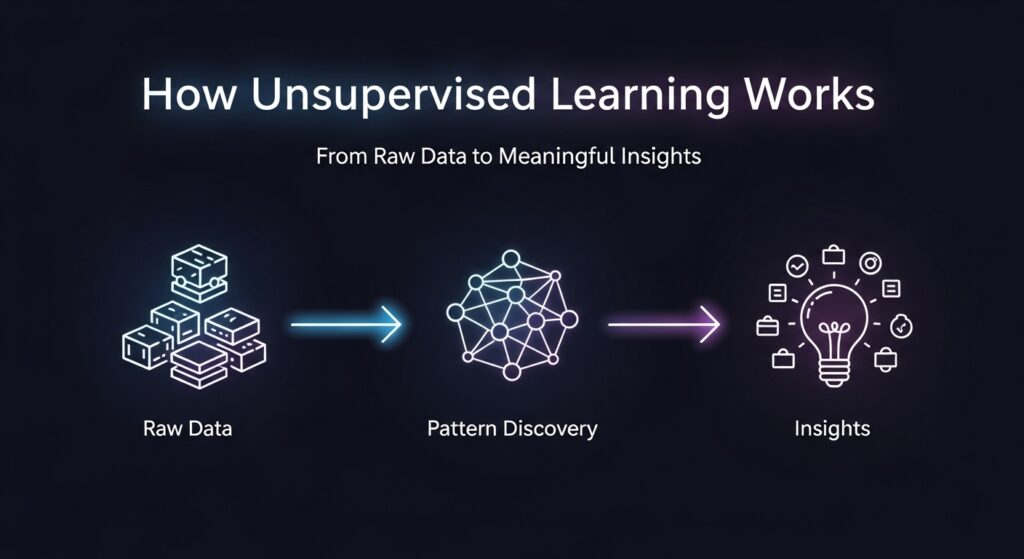
How Predictive Analytics Works
The process follows a clear structure.
Although tools vary, steps remain similar.
1. Data Collection
First, data is gathered from multiple sources.
These sources include sales, customer behavior, and operations.
2. Data Cleaning
Next, errors are removed.
Duplicates also get eliminated.
Clean data improves accuracy.
3. Model Building
Then, predictive models are created.
These models identify hidden patterns.
4. Prediction Generation
Afterwards, future outcomes are forecasted.
Probabilities are also calculated.
5. Decision Making
Finally, insights guide business actions.
Better choices follow naturally.
Common Types of Predictive Analytics Models
Different problems require different models.
Therefore, several model types exist.
Regression models predict numeric values.
Classification models group outcomes.
Time-series models analyze trends over time.
Machine learning models improve automatically with data.
Each model serves a unique purpose.
Choosing the right one matters greatly.
Real-World Uses of Predictive Analytics
Predictive analytics appears everywhere.
Many industries rely on it daily.
Retailers predict customer demand.
Banks detect fraud early.
Healthcare providers forecast patient risks.
Marketing teams personalize campaigns.
Because of predictive analytics, results improve.
Moreover, customer satisfaction increases.
Eventually, brand trust strengthens.
Benefits of Predictive Analytics for Businesses
Several advantages make predictive analytics essential.
First, decision accuracy improves.
Second, operational efficiency increases.
Third, risks become manageable.
Fourth, customer experience gets better.
Additionally, competitive advantage grows.
Businesses respond faster than rivals.
That speed matters in modern markets.
Challenges in Predictive Analytics
Despite its power, challenges exist.
Data quality remains a major concern.
Poor data leads to poor predictions.
Another issue involves skill gaps.
Not every team understands analytics deeply.
However, tools are becoming user-friendly.
Ethical concerns also matter.
Data privacy must be respected.
Responsible usage builds long-term trust.
Predictive Analytics vs Traditional Analytics
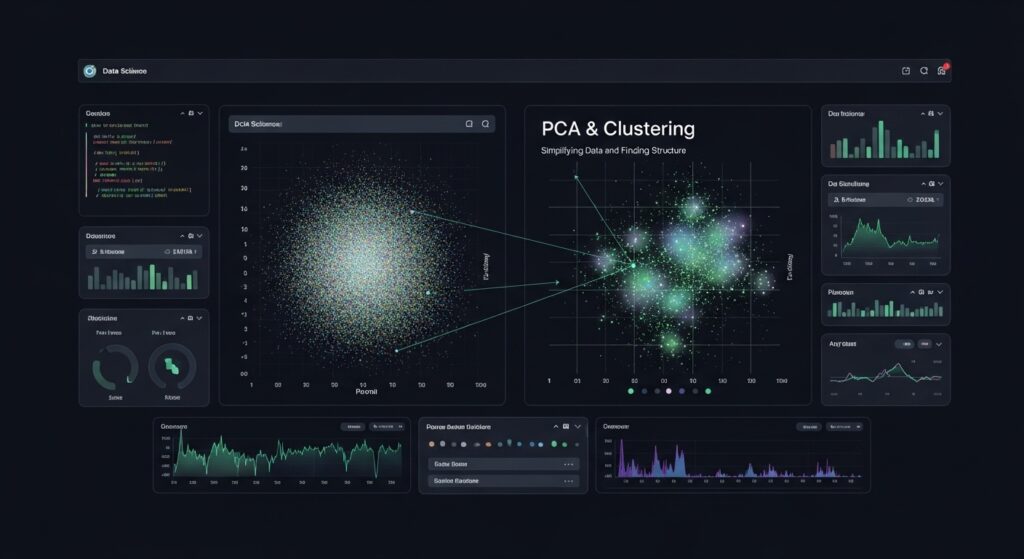
Traditional analytics looks at the past.
Predictive analytics looks ahead.
That difference is crucial.
Descriptive analytics answers “what happened.”
Predictive analytics answers “what will happen.”
As a result, planning improves significantly.
Getting Started With Predictive Analytics
Starting does not require huge investment.
Small steps work best.
First, define a clear goal.
Next, gather relevant data.
Then, choose simple tools.
Finally, test predictions carefully.
Gradual improvement brings confidence.
Over time, sophistication increases.
Read More: Principal Component Analysis: Learn It the Easy Way
Best Tools for Predictive Analytics
Many tools support predictive analytics.
Some are beginner-friendly.
Popular options include Python, R, and Excel.
Advanced platforms offer automation.
Cloud tools also scale easily.
Tool choice depends on needs.
Budget considerations matter too.
Key Data Sources Used in Predictive Analytics
Predictive analytics depends heavily on data sources.
Without quality data, predictions lose value.
Therefore, choosing the right data matters greatly.
Internal data is the first source.
This includes sales records and customer interactions.
Operational data also plays a role.
As a result, internal insights become powerful.
External data adds more depth.
Market trends offer broader context.
Social media signals reveal behavior shifts.
Economic indicators support long-term forecasting.
When combined, these sources strengthen predictive data analysis.
Consequently, predictions become more accurate.
Balanced data always delivers better outcomes.
Key Metrics That Improve Prediction Accuracy
Metrics guide predictive analytics success.
They show whether models perform well.
Without metrics, improvement becomes difficult.
Accuracy is a common metric.
It measures correct predictions.
Precision adds further clarity.
It focuses on relevance.
Recall matters in risk scenarios.
It ensures critical events are not missed.
Meanwhile, error rates highlight weaknesses.
Monitoring metrics improves confidence.
Over time, models become smarter.
That progress drives better decisions.
Step-by-Step Implementation Strategy
Implementation should be simple.
Complexity often slows adoption.
Therefore, clarity is essential.
Start with a business question.
Clear goals guide data selection.
Next, identify relevant datasets.
Avoid unnecessary information.
Then, apply predictive data analysis techniques.
Simple models work best initially.
Afterward, test predictions carefully.
Validation ensures reliability.
Finally, integrate insights into workflows.
Actionable output delivers real value.
Execution completes the process.
Mini Use Cases Across Industries
Predictive analytics adapts easily.
Different industries apply it uniquely.
In retail, demand forecasting improves inventory planning.
Stock shortages reduce significantly.
At the same time, waste decreases.
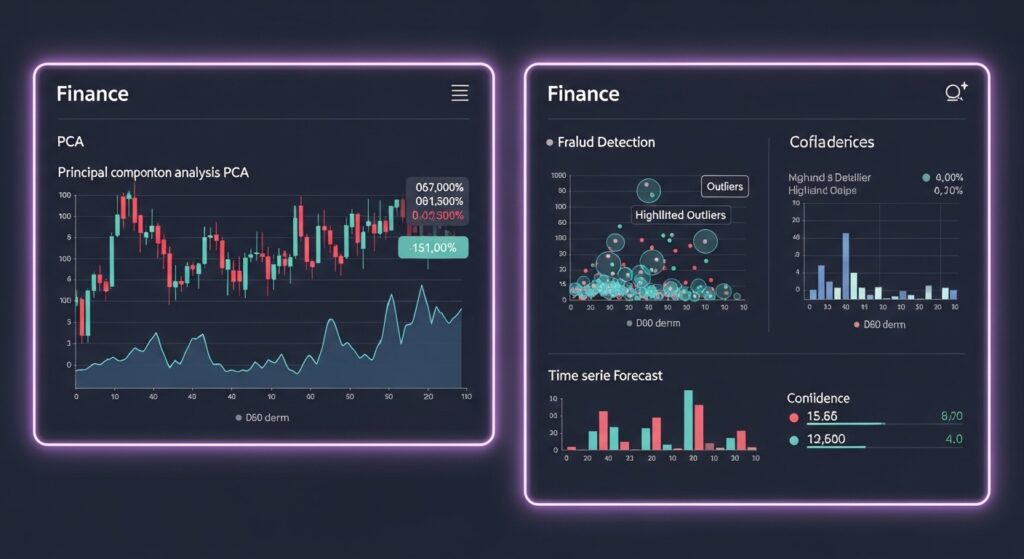
In finance, risk prediction prevents losses.
Fraud detection becomes faster.
Customer trust strengthens gradually.
In healthcare, patient outcomes improve.
Early warnings save lives.
Efficiency also increases.
Each case proves one thing.
Predictive analytics scales everywhere.
Ethical Use of Predictive Analytics
Ethics cannot be ignored.
Data responsibility matters deeply.
Trust depends on transparency.
Bias must be monitored continuously.
Unfair predictions damage credibility.
Therefore, audits are essential.
Privacy laws must be respected.
User consent remains critical.
Secure storage protects information.
Ethical predictive analytics builds loyalty.
Long-term success depends on it.
Tips to Improve Predictive Analytics Results
Small improvements create big impact.
Consistency matters more than complexity.
Always refresh datasets regularly.
Outdated data weakens predictions.
Testing models frequently improves performance.
Collaboration also helps.
Business teams add context.
Data teams add accuracy.
Learning never stops.
Predictive analytics evolves constantly.
Staying updated ensures relevance.
Business Value Beyond Prediction
Predictive analytics offers more than forecasts.
It changes decision culture.
Confidence replaces assumptions.
Teams align around data.
Strategies become measurable.
Growth becomes intentional.
Predictive data analysis turns insight into action.
That transformation defines modern business success.
SEO Value of Predictive Analytics Content
Predictive analytics is a high-intent keyword.
Businesses search for actionable insights.
Therefore, content on this topic performs well.
Using related phrases strengthens SEO.
Supporting terms like predictive data analysis help.
Internal linking also boosts rankings.
Future of Predictive Analytics
The future looks promising.
AI integration will deepen.
Real-time predictions will become standard.
Automation will reduce manual work.
At the same time, accuracy will increase.
Businesses adopting early will benefit most.
Frequently Asked Questions (FAQs)
What is predictive analytics in simple terms?
Predictive analytics uses past data to predict future outcomes.
It helps businesses make smarter decisions.
How is predictive data analysis different?
Predictive data analysis focuses on analyzing data patterns.
Predictive analytics applies those insights to decisions.
Do small businesses need predictive analytics?
Yes, even small businesses benefit.
Simple tools offer valuable insights.
Is predictive analytics expensive?
Costs vary widely.
Many affordable tools exist today.
Does predictive analytics require coding?
Not always.
Many platforms offer no-code solutions.
Final Thoughts
Predictive analytics empowers modern businesses.
It turns data into foresight.
That foresight creates confidence.
By understanding predictive data analysis, companies grow smarter.
With the right approach, results improve steadily.
Now is the best time to start.
Call To Action:
Want SEO-optimized content that ranks higher and attracts the right audience?
I help websites grow with keyword-focused, easy-to-read blog posts and strong on-page SEO strategies.
Get in touch today and let’s grow your content the smart way.
📧 Email: craziya167@gmail.com
📞 Phone / WhatsApp: +92 03110115488












Post Comment
You must be logged in to post a comment.