How to Implement Effective AI Risk Governance in Your Organization
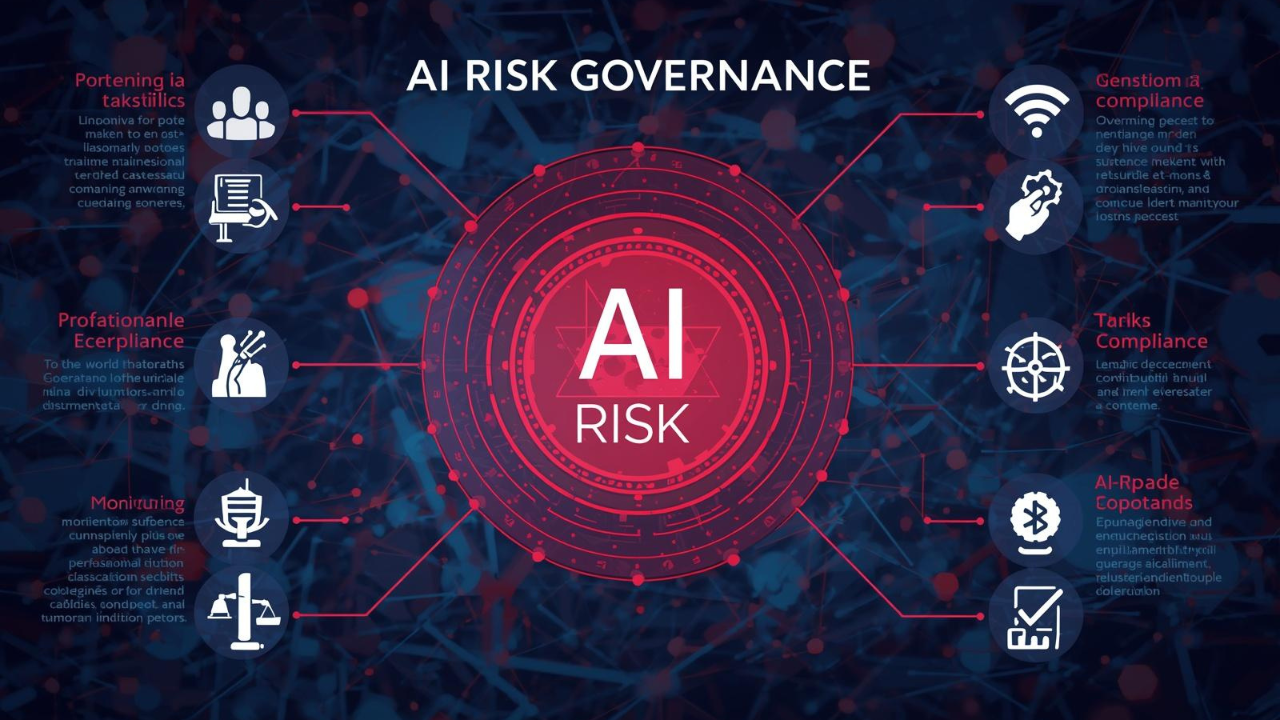
Artificial Intelligence (AI) has rapidly transformed industries, from healthcare to finance, education to entertainment. However, as AI adoption expands, so does the complexity and potential risks associated with it. AI risk governance has emerged as a critical discipline to ensure that AI systems are reliable, ethical, and compliant with both legal and societal expectations. In this blog, we explore comprehensive strategies, frameworks, and practical solutions to manage AI risks effectively while maintaining innovation.
What is AI Risk Governance?
At its core, AI risk governance refers to the frameworks, policies, and procedures that organizations implement to manage potential risks associated with AI technologies. These risks can include:
- Ethical dilemmas, such as bias and discrimination
- Regulatory non-compliance
- Operational failures, including AI system errors
- Security vulnerabilities, like data breaches
- Reputation damage due to unintended AI outcomes
In other words, AI risk governance ensures that AI systems operate safely, transparently, and in alignment with organizational goals. Furthermore, it balances innovation with responsibility, allowing businesses to leverage AI without compromising ethical standards.
Why AI Risk Governance Matters Now More Than Ever
As AI continues to evolve, the stakes are higher. Consider the following trends:
- Rapid AI Deployment: Companies are implementing AI faster than regulatory frameworks can adapt, creating gaps in accountability.
- High-Stakes Decision-Making: AI is increasingly used in critical decisions like medical diagnoses, loan approvals, and law enforcement, amplifying potential risks.
- Public Awareness: Consumers are more informed about AI risks, demanding transparency and ethical practices.
- Regulatory Pressure: Global regulators, including the EU and US authorities, are developing comprehensive AI laws and guidelines, making governance essential.
Thus, organizations that invest in AI risk governance gain not only compliance and ethical alignment but also a competitive advantage. Google Colab: The Ultimate Guide for Beginners (2026)
Core Components of AI Risk Governance
Implementing effective AI risk governance requires a multidimensional approach. The following components form the backbone of a robust governance framework:
1. Ethical AI Guidelines
Ethical AI ensures that AI systems operate in ways that respect human rights and fairness. Companies must:
- Establish clear ethical standards for AI development
- Conduct bias and fairness audits
- Promote diversity in AI design teams
- Encourage ethical decision-making at all stages of AI deployment
By incorporating ethics into AI governance, organizations can prevent harm, maintain trust, and enhance brand reputation.
2. Regulatory Compliance
Compliance involves adhering to national and international AI regulations. Key steps include:
- Understanding regional AI laws and directives (e.g., GDPR in Europe)
- Implementing data privacy and protection measures
- Ensuring AI explainability for audits
- Maintaining proper documentation for regulatory review
Non-compliance can result in fines, legal action, and reputational damage. Therefore, regulatory alignment is a non-negotiable part of AI risk governance.
3. Risk Assessment and Management
Risk assessment is crucial to identify potential AI threats proactively. Organizations should:
- Categorize AI applications based on risk severity
- Conduct scenario analysis for high-risk AI systems
- Implement risk mitigation strategies
- Regularly review and update risk assessment protocols
A dynamic risk management process ensures that AI systems remain safe even as technology evolves.
4. Transparency and Explainability
AI systems must be interpretable to stakeholders. Transparency involves:
- Documenting AI decision-making processes
- Providing users with understandable explanations of AI outputs
- Enabling audit trails for accountability
Explainability builds trust, reduces misunderstandings, and strengthens organizational credibility.
5. Continuous Monitoring and Feedback
Even after deployment, AI systems require ongoing oversight. Continuous monitoring ensures:
- Detection of errors or biases in real-time
- Compliance with evolving regulations
- Prompt adaptation to changing operational contexts
Feedback loops also allow organizations to refine AI models, improving both accuracy and reliability.
Best Practices for Implementing AI Risk Governance
Implementing a robust governance framework can be complex, but the following best practices provide practical guidance:
- Leadership Commitment: Senior leaders must champion AI governance initiatives and allocate adequate resources.
- Cross-Functional Collaboration: AI risk governance requires collaboration between data scientists, legal teams, ethicists, and business leaders.
- Standardized Policies: Develop organization-wide policies that define AI usage, monitoring, and reporting standards.
- Training and Awareness: Educate staff on ethical AI, compliance, and risk management to foster a culture of responsibility.
- Third-Party Audits: Engage independent experts to audit AI systems for compliance, bias, and security risks.
Transitioning to a mature AI governance framework is iterative, but adherence to these best practices ensures a strong foundation for responsible AI deployment. AI Tools for SEO: How to Rank Higher Using Artificial Intelligence
AI Risk Governance Frameworks
Various frameworks guide organizations in establishing AI risk governance programs. Some widely recognized ones include:
1. NIST AI Risk Management Framework
The National Institute of Standards and Technology (NIST) provides a risk-based approach to AI governance. It emphasizes:
- Mapping AI risks
- Managing and mitigating these risks
- Communicating risks effectively
The NIST framework is especially useful for large organizations seeking structured guidance and regulatory alignment.
2. ISO/IEC 38507 AI Governance Guidelines
The ISO/IEC 38507 standard offers international guidance on AI governance, including:
- Leadership accountability
- Ethical considerations
- Lifecycle management of AI applications
Organizations adhering to ISO standards signal trustworthiness and operational maturity.
3. EU AI Act Compliance Framework
The European Union’s AI Act categorizes AI applications by risk:
- Minimal risk
- Limited risk
- High risk
- Unacceptable risk
By mapping AI applications to these categories, organizations can prioritize governance efforts and comply with EU regulations effectively.
4. Custom Organizational Frameworks
Many organizations develop proprietary AI governance frameworks tailored to their industry and operational context. These frameworks often combine:
- Ethical guidelines
- Risk assessment protocols
- Compliance checklists
- Continuous monitoring processes
A hybrid approach ensures flexibility while maintaining adherence to global standards.
The Role of Technology in AI Risk Governance
Technology itself supports governance in various ways:
- Automated Monitoring Tools: Detect anomalies or biases in AI systems
- Explainable AI Solutions: Enhance transparency of AI decisions
- Audit and Reporting Platforms: Document compliance for regulators and stakeholders
By leveraging technology, organizations can implement governance more efficiently and at scale, while reducing human error. Ultimate Guide to K-Means Clustering Made Simple
Challenges in AI Risk Governance
Despite best practices, AI governance faces several challenges:
- Rapid Technological Change: AI evolves faster than governance policies can adapt.
- Complexity of AI Models: Deep learning models can be opaque, making explainability difficult.
- Limited Expertise: Many organizations lack specialists trained in AI ethics, compliance, and risk.
- Resource Constraints: Smaller companies may struggle to implement comprehensive frameworks.
Addressing these challenges requires proactive planning, investment, and ongoing education.
Benefits of Strong AI Risk Governance
Implementing an effective AI risk governance program yields multiple benefits:
- Enhanced Trust: Stakeholders trust organizations that demonstrate accountability and transparency.
- Regulatory Alignment: Compliance with AI laws reduces legal risk and penalties.
- Operational Resilience: AI systems perform reliably, reducing downtime and errors.
- Ethical Leadership: Organizations become leaders in responsible AI deployment.
- Competitive Advantage: Ethical, transparent AI can differentiate products and services in crowded markets.
Backlane Services — Your AI Risk Governance Partner
At Backlane Services, we specialize in helping organizations implement robust AI risk governance frameworks that align with regulatory expectations and ethical standards. Our services include:
- Risk assessment and mitigation strategies
- Ethical AI audits
- Compliance with global AI regulations
- Continuous monitoring solutions
For personalized support and expert guidance, contact us at digitalminsa@gmail.com.
Transitioning to a Governance-First AI Culture
Creating a culture of responsible AI involves:
- Engaging leadership to champion AI governance
- Embedding ethics and compliance into everyday AI operations
- Encouraging employees to report risks and raise ethical concerns
- Celebrating AI successes that align with organizational values
A governance-first culture ensures that AI is not only powerful but also safe, fair, and trustworthy.
Advanced Strategies for AI Risk Governance
Implementing foundational AI risk governance is crucial, but organizations must also adopt advanced strategies to manage complex AI systems effectively. These strategies ensure that AI systems are not only compliant and ethical but also resilient and adaptable.
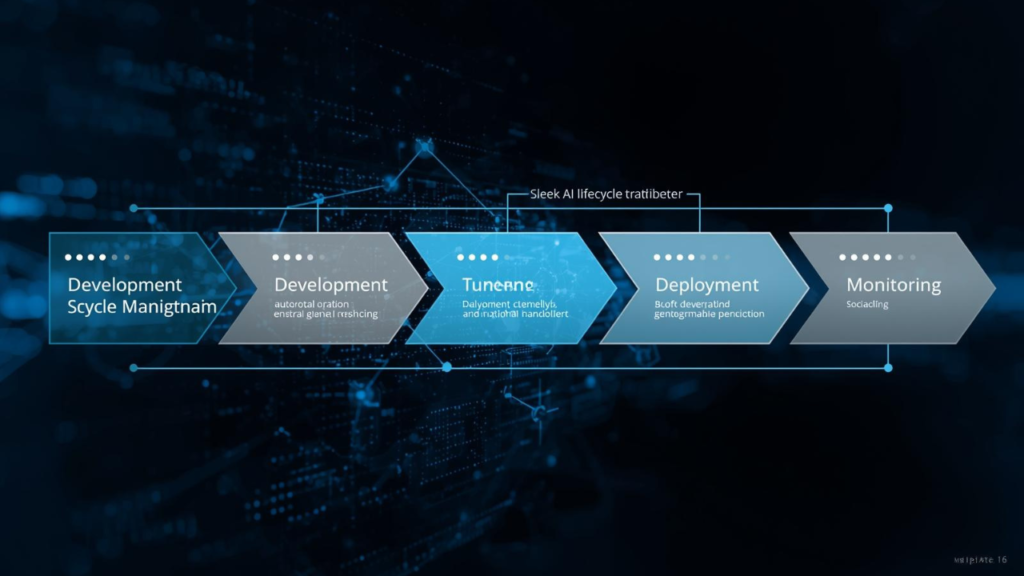
1. AI Lifecycle Management
AI systems evolve continuously, which introduces new risks over time. Effective lifecycle management includes:
- Model Development Oversight: Ensure AI models are designed with risk mitigation in mind.
- Testing and Validation: Conduct rigorous testing to detect potential biases or errors before deployment.
- Deployment Governance: Monitor AI behavior in production environments.
- Decommissioning Protocols: Retire outdated or risky AI systems responsibly.
Lifecycle governance ensures that AI risks are managed from inception to retirement.
2. Risk-Based Prioritization
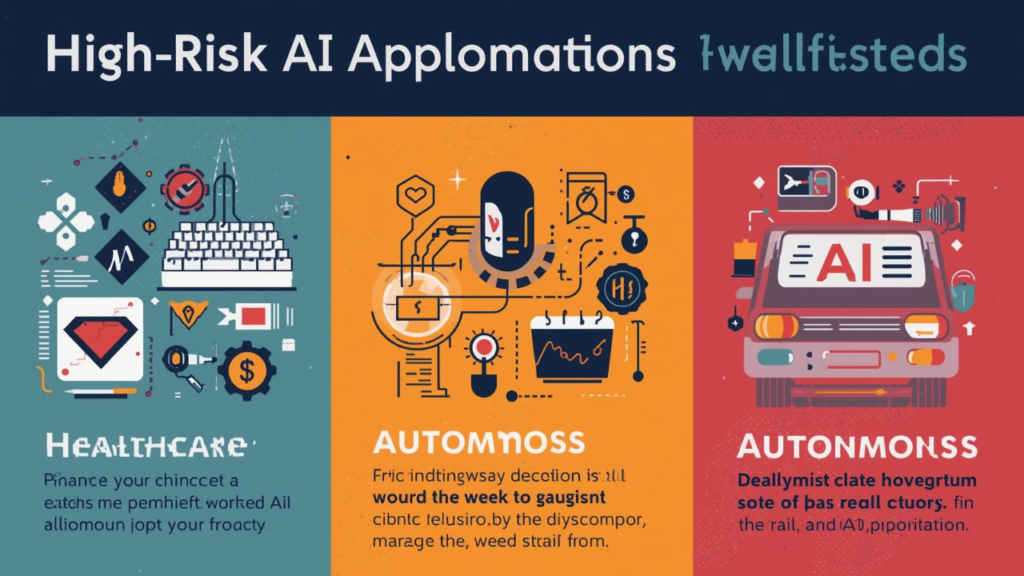
Not all AI systems carry the same level of risk. Organizations should categorize AI applications based on risk, focusing resources on high-stakes areas such as:
- Healthcare diagnosis systems
- Autonomous vehicles
- Financial credit scoring algorithms
- Law enforcement AI
By prioritizing high-risk AI, organizations can allocate resources efficiently while minimizing potential harm.
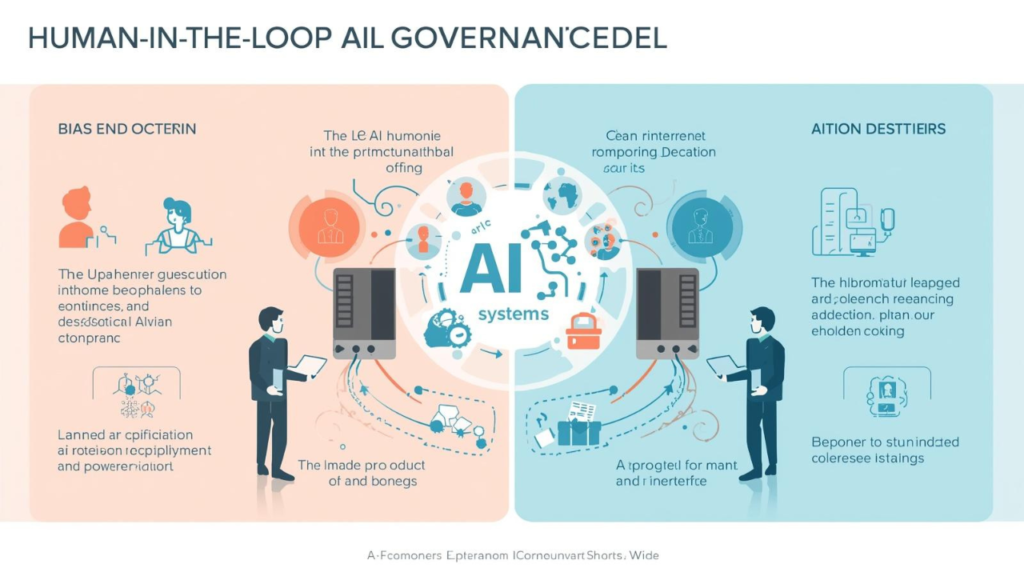
3. Human-in-the-Loop (HITL) Approaches
HITL models incorporate human oversight into AI decision-making. Benefits include:
- Reducing the likelihood of errors
- Providing ethical judgment in ambiguous cases
- Increasing stakeholder confidence in AI outputs
HITL ensures that AI complements human decision-making rather than replacing accountability entirely.
Long FAQ Section: AI Risk Governance
Q1: What is the primary goal of AI risk governance?
A: The primary goal is to manage risks associated with AI systems, ensuring safety, fairness, compliance, and ethical operation across all organizational levels. How Agentic AI Momentum is Unlocking Massive, Radical Productivity Secrets
Q2: How can organizations identify AI risks?
A: AI risks can be identified through comprehensive risk assessments, bias audits, scenario analyses, stakeholder feedback, and regulatory reviews.
Q3: Why is ethical AI important?
A: Ethical AI ensures fairness, reduces bias, protects human rights, and maintains stakeholder trust, ultimately strengthening brand reputation.
Q4: How does AI risk governance affect compliance?
A: Proper governance ensures adherence to laws like GDPR, EU AI Act, and national AI policies, reducing legal and financial liabilities.
Q5: What role does transparency play in AI risk governance?
A: Transparency allows stakeholders to understand AI decision-making, enhances trust, and facilitates audits for accountability.
Q6: What is a Human-in-the-Loop (HITL) model?
A: HITL incorporates human oversight in AI decisions to reduce errors, provide ethical judgment, and increase stakeholder confidence.
Q7: How often should AI systems be audited?
A: Audits should be continuous, with periodic formal reviews, especially for high-risk AI applications.
Q8: Can small businesses implement AI risk governance?
A: Yes, by focusing on core AI risks, using standardized frameworks, and leveraging third-party audits, even small organizations can ensure ethical AI deployment.
Q9: How does AI lifecycle management reduce risks?
A: By governing AI systems from development to retirement, lifecycle management prevents unexpected failures, bias, or compliance breaches.
Q10: What technologies support AI risk governance?
A: Tools for automated monitoring, explainable AI, compliance tracking, and audit reporting all support robust governance.
Best Practices for Continuous Improvement
Even after initial implementation, AI governance must evolve:
- Periodic Training: Keep staff updated on ethics, compliance, and AI trends.
- AI Model Updates: Reassess AI systems as data and technology evolve.
- Stakeholder Feedback: Incorporate user and client feedback to identify risks early.
- Regulatory Updates: Adapt governance frameworks to changing laws and standards.
- Independent Audits: Ensure impartial evaluation of AI systems to maintain credibility.
Transitioning from reactive to proactive AI risk management ensures long-term sustainability and ethical leadership.
Conclusion
AI risk governance is essential in today’s fast-paced technological landscape. It empowers organizations to deploy AI responsibly, minimize risks, and comply with complex regulations. By combining ethical guidelines, risk-based frameworks, human oversight, and continuous monitoring, businesses can create AI systems that are safe, transparent, and trusted by all stakeholders. AI News Update 2026: Global AI Trends & Future Technology
Adopting a governance-first approach not only safeguards organizations against operational, ethical, and regulatory risks but also establishes a competitive advantage, fostering innovation without compromise.
Ultimately, strong AI risk governance transforms AI from a potential liability into a strategic asset — safe, reliable, and aligned with organizational values.












Post Comment
You must be logged in to post a comment.