AI Cyber Attacks Explained: New Threats and Defenses for 2026

Introduction: The Rise of AI Cyber Attacks in a Hyper-Connected World
Artificial intelligence is transforming industries at an unprecedented pace. However, at the same time, it is also revolutionizing cybercrime. AI cyber attacks have emerged as one of the most dangerous digital threats of 2026. While traditional cyber attacks relied heavily on human effort, modern AI-powered cyber attacks are faster, smarter, and more adaptive than ever before.
Moreover, attackers now leverage machine learning, deep learning, generative AI, and autonomous systems to bypass defenses, exploit vulnerabilities, and scale attacks globally. As a result, organizations, governments, and individuals face a cybersecurity landscape that is more complex and more hostile than ever.
Therefore, understanding AI cyber attacks, how they work, and how to defend against them has become absolutely essential in 2026. Cluely AI Review 2026: Powerful Hidden Assistant or Risky Privacy Threat?
What Are AI Cyber Attacks?
AI cyber attacks are malicious digital attacks that use artificial intelligence technologies to plan, execute, and optimize cybercrime. Unlike traditional attacks, AI-driven attacks can learn from defenses, adapt in real time, and automate decision-making.
Furthermore, these attacks can analyze massive datasets, detect patterns, and exploit weaknesses at a speed no human attacker could match.
Key Characteristics of AI Cyber Attacks
- Autonomous execution without human intervention
- Continuous learning and adaptation
- High scalability and speed
- Advanced evasion techniques
- Personalized targeting
Consequently, AI cyber attacks represent a significant evolution in the threat landscape.
Why AI Cyber Attacks Are More Dangerous in 2026
In 2026, AI cyber attacks are no longer experimental. Instead, they are highly refined and widely deployed.
1. Increased Computing Power
Thanks to cloud computing and edge AI, attackers now have access to immense computational resources. Therefore, brute-force attacks, password cracking, and reconnaissance happen much faster.
2. Widespread AI Accessibility
Because AI tools are more affordable and accessible, cybercriminals no longer need advanced technical expertise. As a result, even small threat actors can launch sophisticated attacks.
3. Explosion of Digital Data
With more data online than ever before, AI systems can exploit behavioral patterns, credentials, and vulnerabilities more effectively.
4. Automated Decision-Making
AI cyber attacks can decide the best time, target, and method to attack, significantly increasing success rates. AI Data Ethics and Responsible AI: Everything You Need to Know
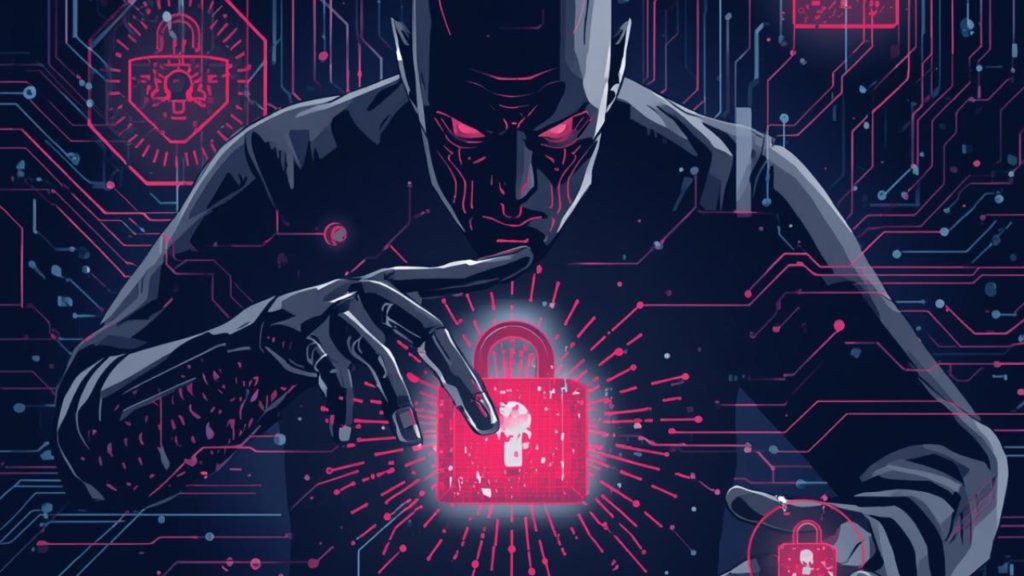
Types of AI Cyber Attacks in 2026
1. AI-Powered Phishing Attacks
AI phishing attacks use natural language processing and generative AI to craft hyper-personalized phishing emails.
Moreover, these emails:
- Mimic writing styles perfectly
- Use real-time data scraping
- Adapt messaging based on user behavior
As a result, traditional spam filters often fail to detect them.
2. Deepfake Cyber Attacks
Deepfake technology has become a major cyber weapon. In 2026, attackers use AI-generated audio, video, and images to impersonate executives, employees, and public officials.
Therefore, businesses face:
- CEO fraud
- Financial manipulation
- Reputation damage
3. AI-Driven Malware
AI malware can:
- Modify its own code
- Avoid detection
- Learn from failed attempts
Consequently, signature-based antivirus systems are no longer enough.
4. Autonomous Botnet Attacks
AI-controlled botnets operate without direct human oversight. Furthermore, they can coordinate distributed denial-of-service (DDoS) attacks dynamically based on network responses.
5. AI-Enhanced Password Attacks
Machine learning models can predict passwords based on user behavior, leaked data, and linguistic patterns. Therefore, password-based security is increasingly vulnerable.
6. AI-Based Social Engineering
AI analyzes social media activity to exploit emotional triggers. As a result, victims are manipulated more effectively than ever before.

How AI Cyber Attacks Work Step by Step
- Data Collection – AI gathers massive data from public and private sources
- Target Profiling – Machine learning models identify high-value targets
- Attack Simulation – AI tests attack strategies virtually
- Execution – The attack is launched automatically
- Adaptation – AI adjusts tactics based on defensive responses
- Persistence – AI maintains long-term access if successful
Therefore, AI cyber attacks continuously evolve during execution.
Industries Most Affected by AI Cyber Attacks
Financial Services
Banks face AI-driven fraud, identity theft, and transaction manipulation.
Healthcare
AI cyber attacks target medical records and hospital systems, risking patient safety.
Government
Nation-states use AI cyber warfare tactics for espionage and disruption.
E-Commerce
Retail platforms suffer from AI-powered fraud and data theft.
Critical Infrastructure
Energy grids and transportation systems are increasingly vulnerable. What’s New in the AI Ecosystem? 2026 Trends You Must Know
Real-World Impact of AI Cyber Attacks
AI cyber attacks cause:
- Massive financial losses
- Data breaches
- Operational downtime
- Loss of customer trust
- Legal and regulatory penalties
Consequently, cybersecurity is now a board-level priority.
AI Cyber Attacks vs Traditional Cyber Attacks
| Feature | Traditional Attacks | AI Cyber Attacks |
|---|---|---|
| Speed | Slow | Extremely Fast |
| Adaptability | Low | High |
| Automation | Limited | Full |
| Detection | Easier | Very Difficult |
| Scalability | Limited | Massive |
Therefore, AI cyber attacks represent a paradigm shift.
How Organizations Can Defend Against AI Cyber Attacks
1. AI-Powered Cyber Defense
Using AI to fight AI is essential. Therefore, organizations must deploy:
- Behavioral analytics
- Predictive threat detection
- Automated incident response
2. Zero Trust Architecture
Never trust, always verify. As a result, access controls become stricter.
3. Continuous Monitoring
AI attacks happen fast. Therefore, real-time monitoring is critical.
4. Employee Training
Human error remains a major risk. Consequently, awareness training is vital.
5. Strong Identity Management
Multi-factor authentication and biometric security reduce risks. The Future of AI Cyber Defense: Essential Security for 2026

Role of Ethical AI in Cybersecurity
Ethical AI ensures transparency, accountability, and fairness. Therefore, security AI systems must:
- Avoid bias
- Protect privacy
- Follow regulations
This approach strengthens trust and compliance.
Regulations and Compliance in 2026
Governments worldwide are introducing stricter AI and cybersecurity laws. Therefore, compliance is no longer optional.
Key areas include:
- Data protection
- AI accountability
- Incident reporting
Future Trends in AI Cyber Attacks Beyond 2026
- Fully autonomous cyber warfare
- AI vs AI attack-defense battles
- Quantum-AI hybrid threats
- Emotion-aware social engineering
Therefore, continuous innovation is essential.
Expert Insights on AI Cyber Attacks
Cybersecurity experts agree that AI cyber attacks will dominate the threat landscape. Consequently, proactive defense strategies are critical for survival.
Call to Action
If you want professional keyword research, on-page SEO, and high-quality content writing for AI, tech, or startup niches, I can help you rank and convert effectively.
📩 Email: digitalminsa@gmail.com
Let’s grow your digital presence with data-driven SEO strategies and authoritative content.
Frequently Asked Questions (FAQ) – AI Cyber Attacks (SEO + AEO Optimized)
What are AI cyber attacks?
AI cyber attacks are malicious attacks that use artificial intelligence to automate, optimize, and adapt cybercrime activities.
Why are AI cyber attacks dangerous in 2026?
Because they are faster, autonomous, adaptive, and harder to detect than traditional attacks.
Can AI cyber attacks bypass antivirus software?
Yes. AI malware can modify itself to avoid signature-based detection.
What is AI phishing?
AI phishing uses machine learning and natural language processing to create highly realistic phishing messages. Future of AI: Most Important AI Trends 2026
How do deepfake cyber attacks work?
They use AI-generated audio or video to impersonate trusted individuals.
Are small businesses at risk from AI cyber attacks?
Yes. AI attacks scale easily, making small businesses common targets.
How can companies prevent AI cyber attacks?
By using AI-driven security tools, zero trust models, and continuous monitoring.
Is AI cybersecurity expensive?
While initial costs exist, AI defense significantly reduces long-term losses.
Can governments stop AI cyber attacks?
Governments can regulate and mitigate risks, but complete prevention is unlikely.
Will AI cyber attacks replace human hackers?
AI will augment hackers, not fully replace them.

What role does machine learning play in cyber attacks?
Machine learning enables pattern recognition, prediction, and automation.
Are AI cyber attacks legal?
No. They are illegal and punishable under cybercrime laws.
What is autonomous malware?
Malware that operates and evolves without human control.
Do AI cyber attacks target individuals?
Yes. Identity theft and personal data exploitation are common.
Is zero trust effective against AI cyber attacks?
Yes. It significantly reduces attack surfaces.
Conclusion: Preparing for AI Cyber Attacks in 2026
In conclusion, AI cyber attacks are redefining cybersecurity in 2026. While artificial intelligence offers incredible benefits, it also introduces unprecedented risks. Therefore, organizations must adopt AI-powered defenses, ethical frameworks, and proactive strategies.
Ultimately, the future of cybersecurity depends on how effectively society responds to the growing threat of AI cyber attacks.













Post Comment
You must be logged in to post a comment.